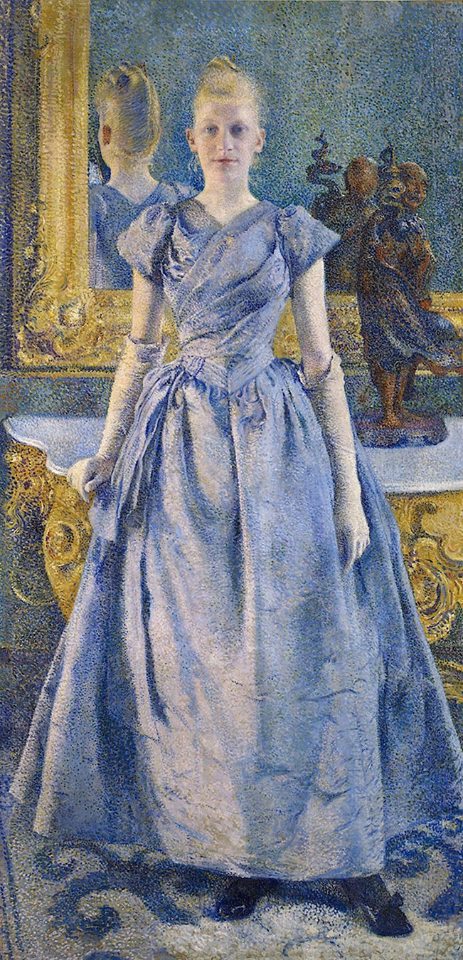
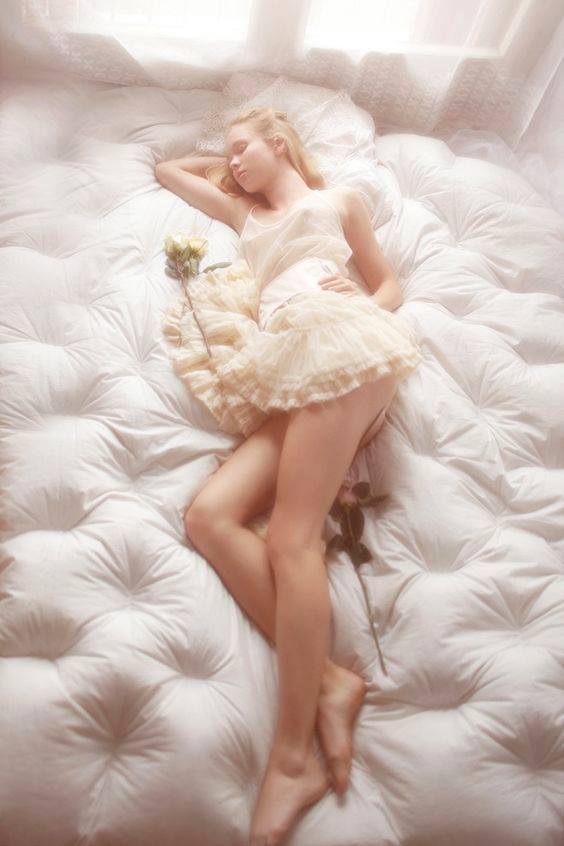
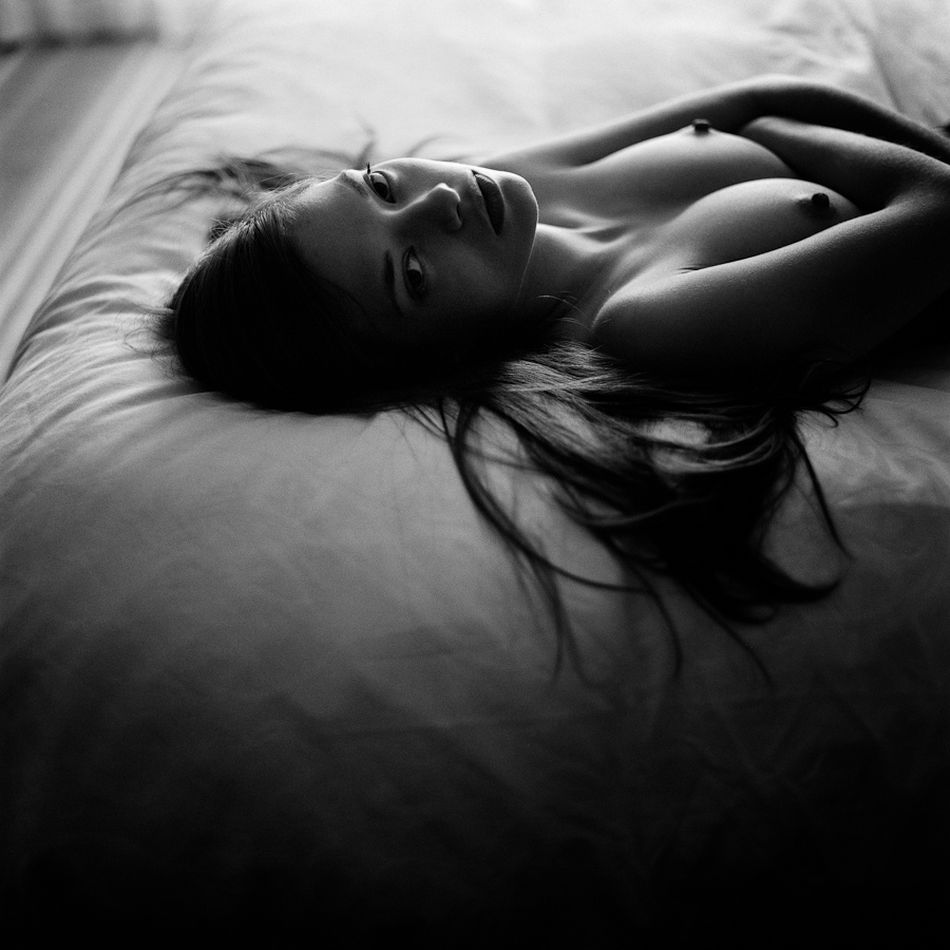
Beauty in colours

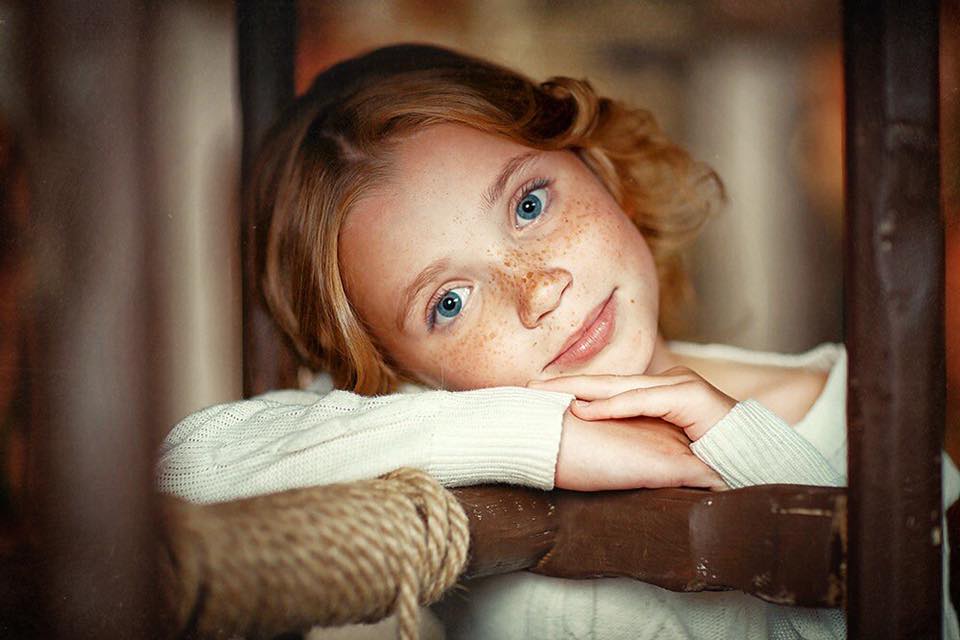
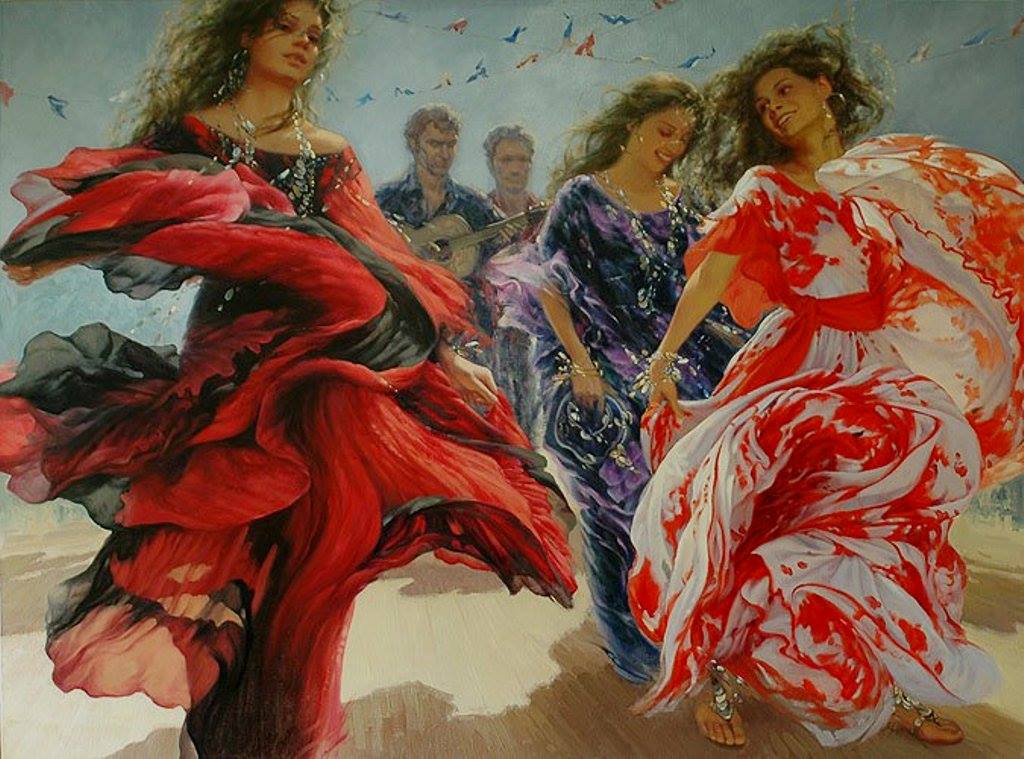
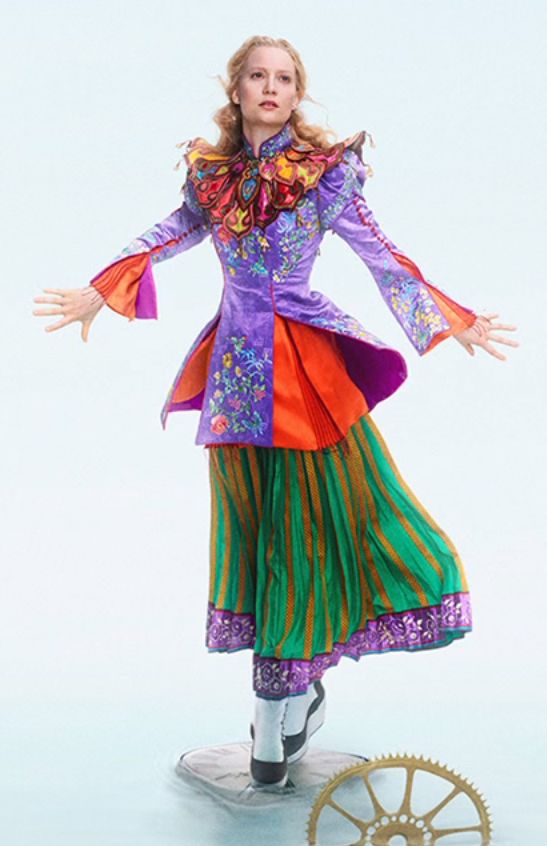
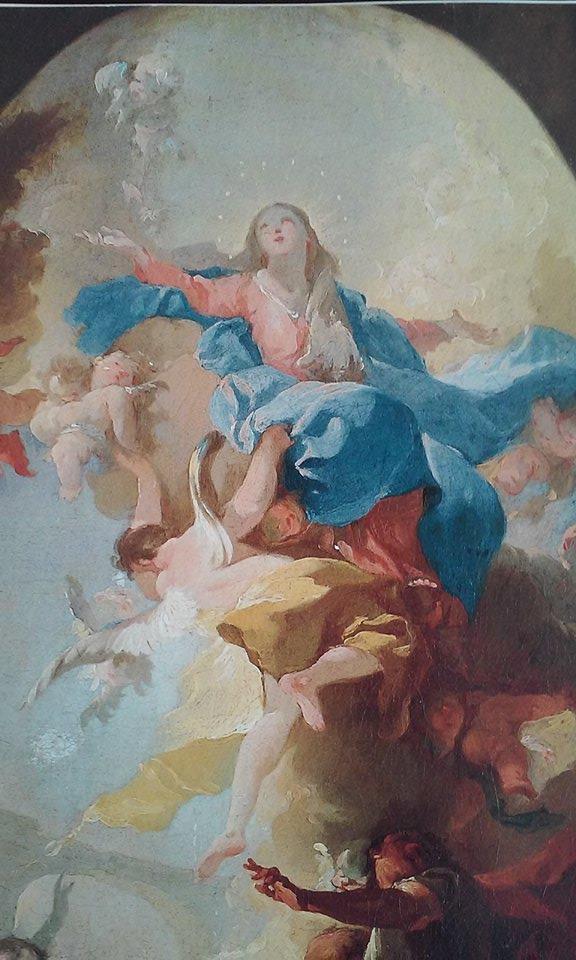
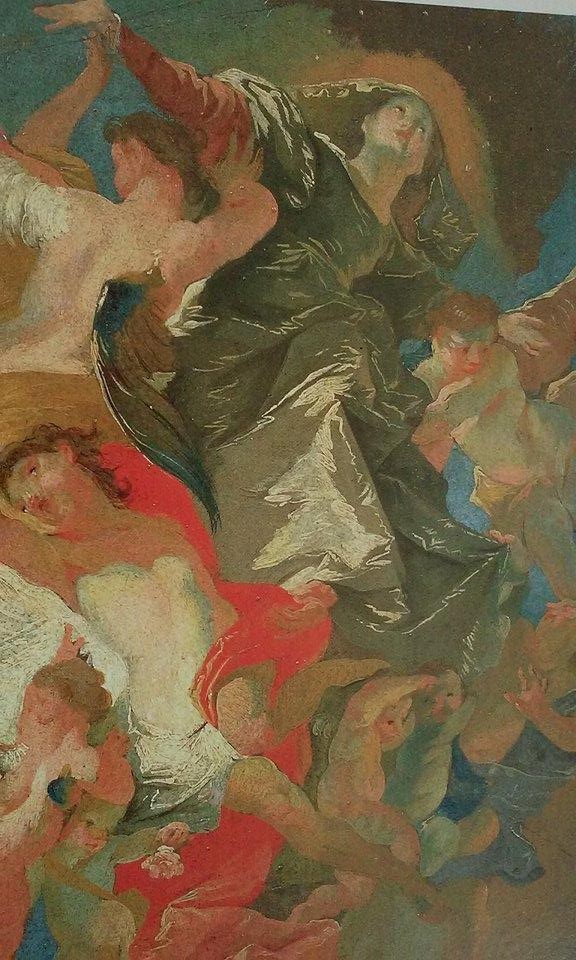
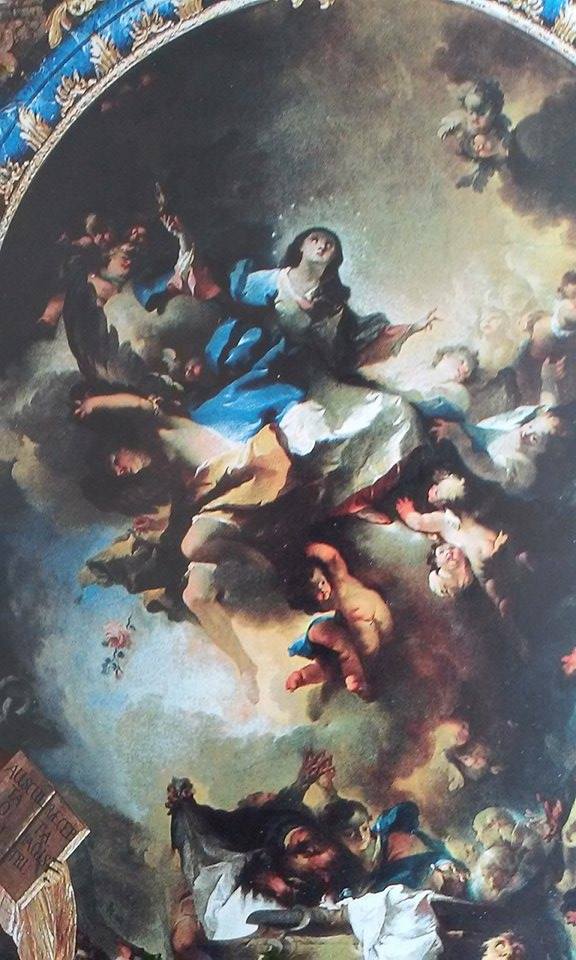
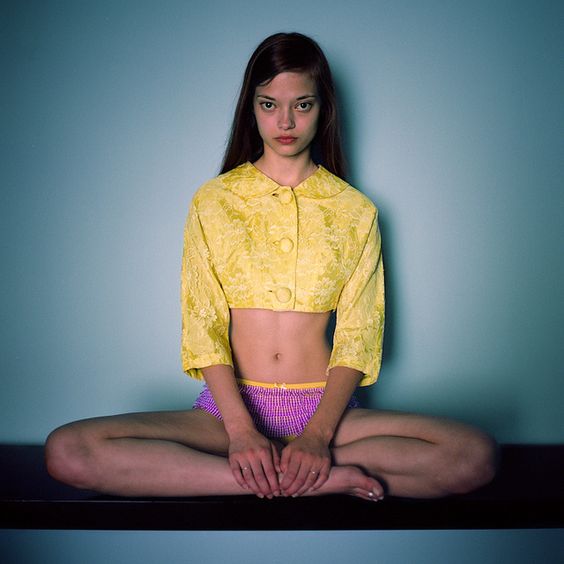
This is the coolest face I´ve seen in a while (within a cool mix of colours)

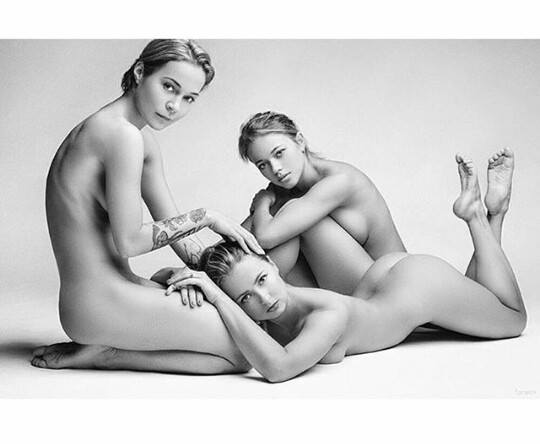
These are the coolest hands I´ve seen in a while (within a cool mix of colours)

This is the coolest butterfly on face I´ve seen in a while (within a cool mix of colours)

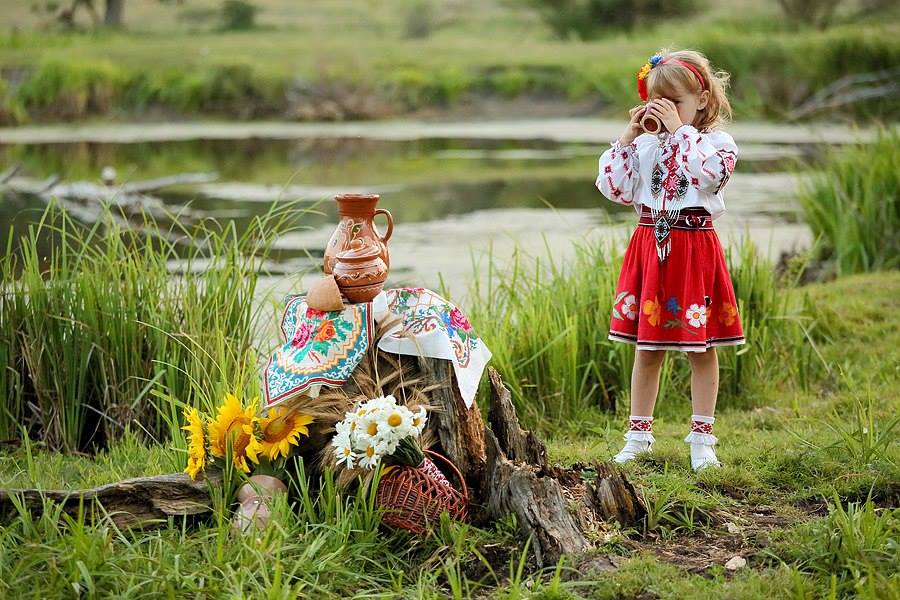
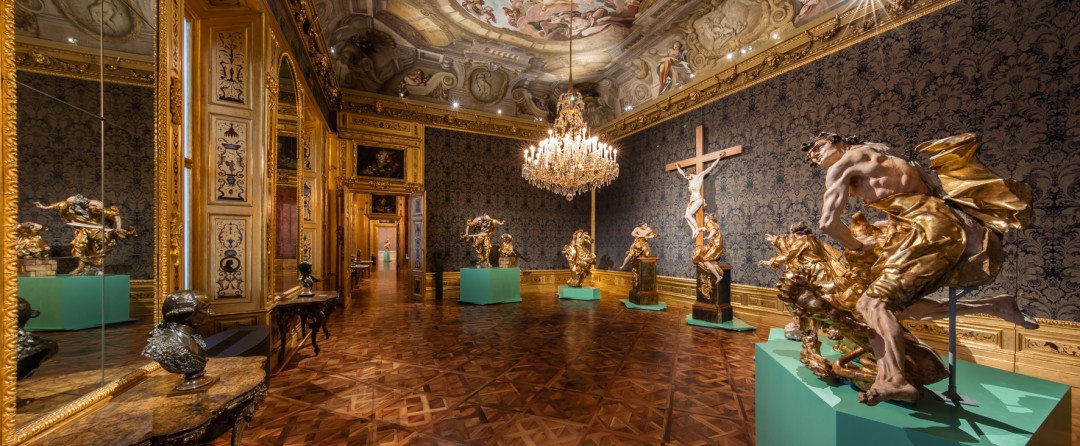
This is the coolest scenery I´ve seen in a while (within a cool mix of colours)

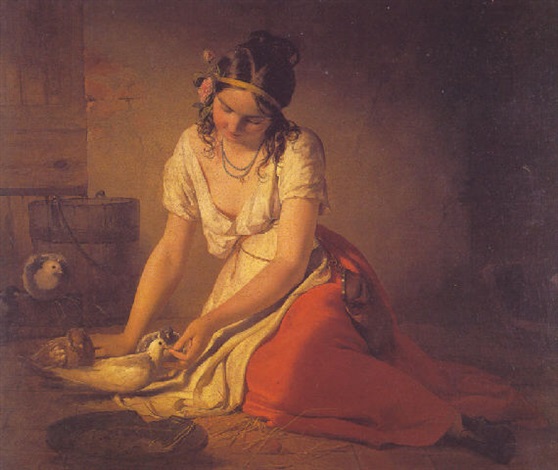
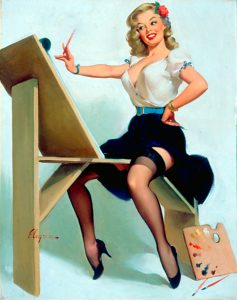
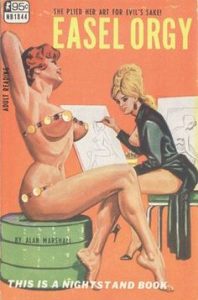
The sentient, creative inner child rejoices upon them impressions (and this is the cutest redhead I´ve seen in a while)

(Although I also dig that one)


Deleuze, Leibniz, Whitehead

Referring back to the interrupted note about Pinsel and Deleuze and the fold a while ago we conclude that the Deleuzian fold is a somehow fuzzy concept, but that is usual business when Deleuze comes up with concepts. Deleuze´s concepts are open-ended and inexhaustive, non-exclusive and intensive, a kind of virtuality, since his philosophy is a metaphysics and cosmology of transformation, evolution and potentialities. Some (like Rancière) fail to appreciate this since Deleuze´s concepts (and his whole philosophy) is linked to a semi-private imaginary that may be alien to some, notably those inclined to more analytic philosophy. Deleuze is a synthetic philosopher and a primarily associative thinker. Despite that, Deleuze´s concepts/philosophy are, of course, clear-cut and precise and well-defined, respectively they are purely analytic concepts when viewed from the perspective of the phase space (not the quasi-static metaphysics related to analytic philosophy). – The concept of the fold was first introduced by Deleuze in his book about Foucault (1986) with reference to Foucault´s philosophical investigations of how subjectivity is constituted via power (outside forces) and his final ruminations about how autonomous existence would be possible. In contrast to Foucault´s somehow staunchly hermetic perspective Deleuze refers to the fold as how the „outside“ constitutes an „inside“, but may include autonomy, potentiality and variation („differentiatedness“ in itself). In his subsequent book about Leibniz and the Baroque (1988) he refers to the fold as a monad although it becomes a much more dynamic concept and rather the constituent of a monad. The fold is a relationship upon itself, both static and dynamic, in flux and self-preserving and it is constituted via prehensions, pre-individual singularities, events. It is transsubjective. Folding means making something implicit, via unfolding it becomes explicit. The fold is a „point of view“ upon existence and its „subjectivity“ does not primarily refer to idiosyncracy but objective vagueness and variety of the world. Once again, Deleuze tries to think and illustrate the univocity of being and how the One relates to the Many and how both are interrelated.

Such was also the undertaking of Leibniz, indeed. Leibniz refers to monads, single, atomised beings as the final substance of the world beyond which there are no emanations of existence i.e. no „truth“ beyond their ontological scope. The „dark fond“ (i.e. both potentiality and lack of consciousness) is inherent in the monads themselves, and is their own primal ground upon which they may actualise themselves. Monads are embedded in a universal interrelationship of cause and effect, with God being the primal (and final) cause and each monad being a „mirror of the world“. There is a kind of hierarchy among monads with only humans capable of apperceptions (as elevated upon mere perceptions) and soul. The higher the monad the clearer and more comprehensive are the apperceptions and the awareness of being a „mirror of the world“ and the more elevated is the soul. Despite offering a relatively static paradigm, Leibniz emphasises that monads contain entelechies and are subject to change. The highest goal of life is to gain the highest awareness possible of the „harmony of the world“ and being as a divine monarchy. Alongside this trajectory the monad does not progress to rational vision of the „thing in itself“ yet breaks through the material hyle and becomes maximally competent (as it, as we may say, becomes the „suject/monad in itself“). Leibniz´ Monadology and related writings are, by the way, cool the way they are sharp and precise, anti-logorrhoea and without word vomit. That is not of necessary occurence in philosophy.

In his major work Process and Reality Whitehead occasionally mentions Leibniz, though not extensively. Yet the parallels to Leibniz and his monadology are striking, so much as that Deleuze bluntly refers to Whitehead as a „diadoche“ of Leibniz. Whitehead takes „actual entities“ as the true substance of the world, they resemble monads but are inherently more dynamic. They´re embedded in a universal process of becoming (not merely „cause and effect“) under which they finally constitute themselves as monads. Whitehead refers to intensity of perception as the highest value: the more intense the perception the more qualities the perceived as well as the perceiver accumulate. Whitehead´s ontology does not refer to a specific beginning or a specific end of the world process and embraces a higher notion of chance and the merely processural as a value in itself: creativity as the ontological principle upon which the world unfolds. In his notion, God is the primal ground of all possibilities and potentialities and via processural reality God actualises himself (which puts Whitehead´s philosophy in an apparent relationship to pantheism respectively panpsychism though it is not the same since Whitehead´s God is rather to be understood as an ontological substrate as well as a reflection which relates to the univocity of being and the harmonious interrelatedness of a heterogenous world). Embedded in processural reality actual entitites, like monads, are a reflection of the whole world and nothing that has ever happened ever gets lost. However, no actual entity, and not God himself, can have a divine universal perspective on being since it progressively unfolds and actualises itself, constituting actual entities and constituting God. Whitehead is aware that there truly is negativity and destructiveness in the world but sees them as a necessary emanation or by-product of creativity. The quality of the world is rather aesthetic and probably should be seen as an artwork by God, through which God, however, preserves the actual entities and the process of the world. The ethical implications seem to indicate the need for a filigrane percpetion and understanding of the manifoldness of the world and an awe for the creative process. Despite being acknowledged as one of the most eminent metaphysicists of the 20th century, Whitehead is not very well known, and they say Process and Reality is terribly opaque. However, I cannot sense that, it is quite accessible. The thing may rather be that we do not really know what to do with a metaphysics that abstract (or so I guess), respectively Whitehead´s metaphysics and its apparent implications partially relate to both Western and Eastern mindsets (as they are about the progressively competent individual (Western) in a harmonious whole (Eastern) which is not transcendent (Western) but immanent (Eastern)) and we don´t know how to think them together, but we may learn to do so in the future.

The debated philosophies are about how to understand heterogenousness and oneness, epistemology and ontology, the subject-object dichotomy, relentless creativity and harmony, the relationship between man, world and God. Leibniz presents are relatively static, quasi-feudalistic world with harmony the supreme good, Whitehead modernises and cracks the monad up into the progressive and democratic, Deleuze comes up with the postmodern fold and transgresses the monad/monadology into nomad/nomadology. Whitehead emphasises that philosophical undertaking and approach cannot be absolute but is limited by our contemporarian understanding or the eternal limitations of the human mind and has to operate with concepts which may be both to abstract and too precise to fully comprehend realities. Nevertheless one has to do something philosophical to make us understand the (current) situation. It is apparent how these three metaphysical approaches are grounded in the supreme, gentle and creative human mind, somehow becoming its own theophany. Despite it is also my own intuition I doubt whether a monad is a mirror of the all, or whether things are preserved. Maybe chance and vagueness are inherent qualities the world (enabling „creativity“?) and being is not univocal. Of course metaphysics has to aware of what physics does reveal. I am quite curious about whether we live in a holographic universe, how the quantum realm relates to the macrorealm, how the different macrorealms relate to each other and how emergent phenomena can be explained. – Via Deleuze´s immersive writing metaphysics becomes a sexy and colourful thing. Leibniz makes me think of an elevated silver sphere which is stabilised in its own harmony, floating a little bit above me. Whitehead´s metaphysics makes me think of a giant web of little golden balls with flashy golden beams connecting between them. But reflecting about them all the vision of gazing into the metaphysical structure of the world now becomes one of quadratic zones, honeycomb-like, that fall into an indefinite ground of which you don´t see much and, presumably, does not carrying much to see. To save the vision and elevate it to a new level, respectively open it up into another dimension, I think it is indicated to ram a white spear perpendicularly into the structure. This should give Deleuze, Leibniz and Whitehead a pause. An event has happened, a koan. After that I think all the four of us will silently smile at each other and nod in consent.

Deleuze on Whitehead & Leibniz

Nikolaus Lenau´s Faust, Gilles Deleuze´s Proust, and Second Prelude to a Note about the Hyperset

I have stated elsewhere (in the Book of Strange and Unproductive Thinking) that I find Faust a quite strange, annoying and unconvincing figure (as well as that Goethe < Büchner). Likewise – despite Faust is a character through which humanity is individualised (like Don Quixote, Yorick, K., Malone, Ishmael or Peer Gynt) – Nietzsche said that, upon reflection, probably all that remains of Faust is a bizarre, degenerated example of scientific man. Ibsen wrote his Peer Gynt as an allusion to Faust and someone said Ibsen´s Peer Gynt is a bizarre satire upon Goethe´s Faust. I find Peer Gynt a more convincing, direct epitome of humanity, also given the ethical implications of Peer Gynt, although I somehow think that the mirror image of Faust (who is, of course, the much more comprehensive character) is somehow necessary to make Peer Gynt truly shine. Otto Weininger was very fond of Peer Gynt and it was Otto Weininger who made me understand Peer Gynt so that I wrote my Rompf as an allusion and a bizarre satire upon Peer Gynt. Otto Weininger (wrongly) was somehow dismissive of Ibsen´s later plays and said that, if he had wanted, Ibsen could have become greater than Goethe (because he somehow didn´t like Ibsen´s progressive attitude towards women). Otto Weininger was also dismissive of Nietzsche and called him a genius of seventh (lowest) grade (because he missed the ethical component in Nietzsche´s philosophy). Otto Weininger mourned that there was no one around like Goethe anymore in his days. I think if Otto Weininger had stayed alive he would have become greater than Goethe and Nietzsche, but he was psychologically troubled and did not survive. I partially understand Otto Weininger´s psychological troubles (in the dimension of overexcitabilities common among geniuses) and as far as I can see I am the only one around who actually understands Otto Weininger as a philosopher. I also think Ibsen was at least a more convincing and powerful playwright than Goethe. I have written one play so far and it was a bizarre satire upon theater and theater audience. I wonder what would have become of Büchner if he had stayed alive. I think Büchner would have become a major existential philosopher like Weininger or Nietzsche, not a theorizer of colours like Goethe. Enter Nikolaus Lenau.


Nikolaus Lenau denied Goethe possessing a „monopoly“ upon Faust, instead understood the archetype of Faust as a creative common of mankind and wrote his own version of Faust (like Christopher Marlowe had already done before Goethe). Nikolaus Lenau is relatively obscure today although Wikepedia bluntly states that he was the greatest Austrian poet of the 19th century. His Faust is a somehow more dire figure than Goethe´s and is frantically and desperately motivated to understand the presumed „truth of it all“. As he gets thrown into the world of the living by the devil he neither finds fulfilment in elementary constructiveness (love, giving birth) nor in destructive passions and finally finds himself cut off from everything so that, in a metaphysically deluded reflection upon his emotional alienation, he kills himself (and falls prey to the devil´s plot). Lenau´s Faust finds himself in a heterogenous, emotionally detached world and, as long as he cannot be omnipotent, omniscient, omnisentient and sovereign rather chooses death, his endeavour to „weld together himself, world and God“ („Dich, Welt und Gott in eins zusammenschweißen“) a failure. Lenau´s Faust indeed does not have the universality of Goethe´s Faust, it is rather a reflecion upon Lenau`s inner world as he finds himself torn between a longing for a protective God and being embedded in nature and being an autonomous god himself, unable to find reconciliation and consolation between the two extremes. As Faust is an archetype for (metaphysically) struggling man, Lenau was right to weld his alter ego together with the Faust archetype. I came across Nikolaus Lenau´s Faust when Alexander Nitzberg and his companion Peter Sendtko made a theatrical performance of the poem/play at Roman´s atelier some weeks ago; it was really lovely.

I still have not read Proust´s Recherche, I bought a copy of Swann´s Way when I was 19 or so and finally managed to read it some years ago. As far as I understand, Proust is longing for closure within intensity too which he tries to achieve via realization of memory. Proust´s Recherche is also archetypical. Gilles Deleuze bluntly announces (in Proust and Signs) that the Recherche is not an undertaking directed into the past and into autobiographical memory but into the future and into learning where memory is the material through which the subject enriches itself and comes to itself. Neither the subject nor the world does express itself directly, the chiffres of the world are the signs (for instance social signs, romantic signs, etc.), and via understanding the signs the subject progressively deciphers the world. The purest signs are the signs of art as they are immaterial and spiritual. The signs of art are deeper than the subject or object that carries and sends out the signs and more elementary as they reveal the essence. The essence of an object is its true embeddedness in the world, that what is actualised about it and its potentialities, it is, with reference to the note about Deleuze and Rancière and as Angell de la Sierra puts it, the „meta-noumenon … nothing less than the existential ontology of the object, another way of expressing its circumstantial semantic content, now and later on, a mind´s view of ,objective reality`“. The essence of the subject is to become a „point of view“ upon the world, finally, as Deleuze notes, a de/transpersonalised „spider“ which reacts to and acts upon the vibrations within the world-net. In becoming a „point of view“ the subject becomes objectified, eternal and immortal and it is eventually via the artwork via which man is able to make sense of the world and establish identity. It is associative intelligence, not logical intelligence (which is the intelligence of Faust) which reveals essence. – Trying to live in this world with a pronounced artist´s intelligence is not easy of course, but I have to say that Faust´s problems are to a considerable degree alien to me. The arid character of the world gets compensated as before my inner eye as lose graceful gestures I occasionaly witness (for instance by birds, by twinkling stars or by children) get inflated into a graceful world and potentialities seem to pour out everywhere (despite being aware that that´s a kind of bluff package, yet only partially). I do not communicate much with people but I feel, in a way, in a communion with them much more than the chatterboxes out there commonly do. Memory is virtually present not in a fotographic, textual way but via a hypertextual monitor on which I can recall memories to a given sensual or intellectual stimulus via association, enriching both the stimulus and the memory content with additional meaning. That monitor kind of enwraps and cocoons me and gives me presence. Faust obviously lacks such a thing.

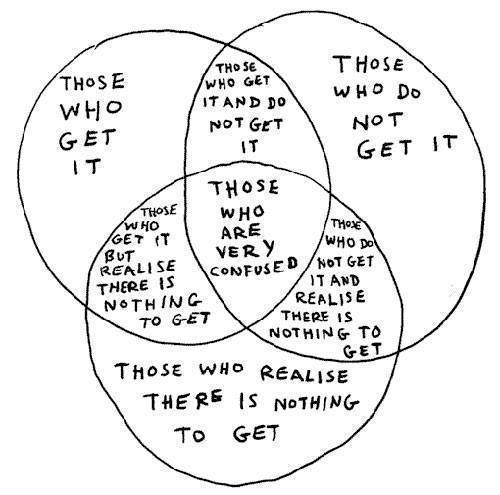
A while ago I have started to ruminate about the „hyperset“. The occasion was a diagram I saw which made me think of a, say, meta-diagram as a necessity to competently understand and process the diagram, as a, so to say, conscious reflection over the diagram. Likewise, I have observed that I seem to belong to many groups within the human realm which often venn very thin and marginally, or not at all, making the final intersection a set to which seemingly only I belong, in solitude, on this earth, maybe also in this history. However, I also seem to understand all the sets at a higher level than those who only belong to the respective sets, I have higher awareness, I have higher consciousness of them. That diversification and pluralism is a good thing is commonplace, that the one who only understands a single discipline actually doesn´t understand that discipline either is what they say. Pluralistic understanding is good. Deleuze (and Guattari) refers to transversality as a mode of establishing connection between heterogenous sets that make up reality. Transversality does not try to totalize and normalise heterogeneity but is affirmative towards difference, lets them resonate and explores interdependencies. It is experimental and reflects anti-logos and becoming, the associative method of the Recherche, the instability of the world and the object as well as the emergence of essence through the process of art. Artistic style (i.e. a subjective mode of expression which is of objective substance) is what holds heterogeneity together and is the correlate to the logos (Welsch takes „transversal reason“ as a model for reason in postmodernity). This is vibrant and humming and makes us think of a microcosmic reflection of macrocosm (which also Deleuze does in Proust and Signs). Remember, Otto Weininger says: „The ego of the genius accordingly is simply itself universal comprehension, the centre of infinite space; the great man contains the whole universe within himself; genius is the living microcosm. He is not an intricate mosaic, a chemical combination of an infinite number of elements; the argument in chap. iv. as to his relation to other men and things must not be taken in that sense; he is everything. In him and through him all psychical manifestations cohere and are real experiences, not an elaborate piece-work, a whole put together from parts in the fashion of science. For the genius the ego is the all, lives as the all; the genius sees nature and all existences as whole; the relations of things flash on him intuitively; he has not to build bridges of stones between them.“ That is, well, the purest emanation of the hyperset, not somehow clumsily (or, if you want, more cautiously and operational) as it appears before my inner eye or that of Deleuze, Guattari or Proust (not to speak of Faust). Unfortunately Otto collapsed psychologically under its airy weight.

Despite having written the First Prelude to a Note about the Hyperset months ago it seems that I have not progressed a lot about thinking about it further and deeper, which is, however, excusable since I have done other things. I wonder whether the „hyperset“ can be a mathematical object and how it could be modelled, maybe it could shed light on the incompleteness theorem. I also wonder whether consiousness could actually be understood as a hyperset, or what we refer to as the soul, or processes of „emergence“ in nature (which are, so far, little understood). It reflects however an elevated state of mind which is, in the same fashion, „grounded“. Maybe I also lose interest in the hyperset, though I don´t really think so because first I like the name and second I think it is actually a name and category that refers to something real and one day, after I am gone, they will jubiliatingly scream „the hyperset, the hyperset!“ when they´ve done something dilettante; but that does not differ from what I do and how I came to think of the hyperset.

Prelude to Note about the Hyperset

Deleuze and Rancière (and the Question about Art as a Form of Resistance)

Deleuze (respectively the Deleuze/Guattari hermaphrodite) says art is about Becoming. Deleuze (respectively Deleuze/Guattari) is very fond of transformations that stem out from the obscure and unexpected (from „chaos“) and lead to new ways of how perceive things. He likes that so much that in his philosophy true „events“ (not subjects, objects, structures, etc.) embody the highest degree of reality since they´re the ones that inflict change on reality. The true artist permanently „becomes“ and calls for „a new earth, a new people“, that is to say for new modes of understanding and being alongside his specific vision which is, if it is of the highest caliber, self-transcendent. Becoming happens at „zones of indistinguishability“ between qualities (for instance that the maltreated, oppressed human becomes animal, the maltreated, oppressed animal becomes human), via his empathy and associative intelligence and powered by his drive to transform and finally to incorporate being in its totality, the true artist is sensitive for spotting and experiencing zones of indistinguishability. Deleuze/Guattari says (with reference to Lawrence) the artist carves slits and openings into the firmament, respectively into common understanding, to let some chaos in, which then allows syntheses of new and higher order. Deleuze/Guattari also says that the artist, in a way of defying chaos, tries to reach into the infinite and then tries to project it into the finite i.e. the true artwork being a zone of highest order in which the infinite shines trough. Deleuze says, if we try to understand art and artists in such ways, i.e. as people that dive into the unknown solely for the sake of achieving knowledge and transformation of mind, artists who write „minor“ literature, only, actually, a small minority of people doing art could be labelled artists (respectively writers, as he is, in the respective text – Literature and Life – specific about literature).

Ranciére understands aesthetics, as well as politics, as regimes which legitimise certain objects/subjects/entities as theirs. The paria, the proletarian, the slave is originally excluded from the sphere of politics; with finding a voice they become political subjects; they are able to participate at the political process, they are included in the political process. Politics does happen when excluded parias become included and transform from (quasi)objects to authentic subjects of politics. Therefore, politics is about finding strategies for the excluded to become included. Likewise, the regime of aesthetics defines what is to considered as beautiful or as art. These regimes are open and in flux. Rancière is concerned about how art could contribute to political change. He makes reference to Schiller and to the idea that art is kind of democratic since the sensual, the aesthetic, can be experienced by everyone, as well as to the idea that art orginates from a ludic drive (Spieltrieb) in man. The playfulness alongside the ludic drive can be seen as opposed to the seriousness of material conditions, as well as where true freedom and the possibility of self actualisation lies, which becomes projected into the vision of a somehow brotherly society of competent, empathetic individuals. Rancière, who has a keener eye on investigating paradoxes (of art, politics, literature, etc.) than offering a stringent philosophy (like Deleuze) says that, in practical terms, political revolutions via aesthetic revolutions largely have failed, degenerating, in the 20th century, into consumer aesthetics in capitalism or Stalinist pomp under communism. (I, however, am quite content with living in a consumer society. Likewise, under specific circumstances there is nothing wrong with being sympathetic with communism. Bolz reminds us that living in a consumer society prevents us from relapsing into religious or ideological fanaticism and extremism, or communism.) Rancière claims that while Deleuze wants to extend philosophy into spheres that are external to philosophy, he himself is rather interested in using philosophical understanding and method in other playgrounds of the human mind, or in the most practical arenas. He is also skeptical of Deleuze´s notion of philosophical concepts or books as „tools“/“toolkits“, given the emptiness of many texts in which others try to use the Deleuzian tools, and he confirms that Deleuze establishes a kind metaphysical imaginary that is alien to him. He seems to have a need for precision that may rather be found in the writings and approaches of Deleuze´s temporary friend, Foucault. — Rancière´s text „Is Art Resistant?“ provided the ferment of this text, and I am glad that after weeks of intellectually working on it i now finally seem to be able to get the fucking thing done.
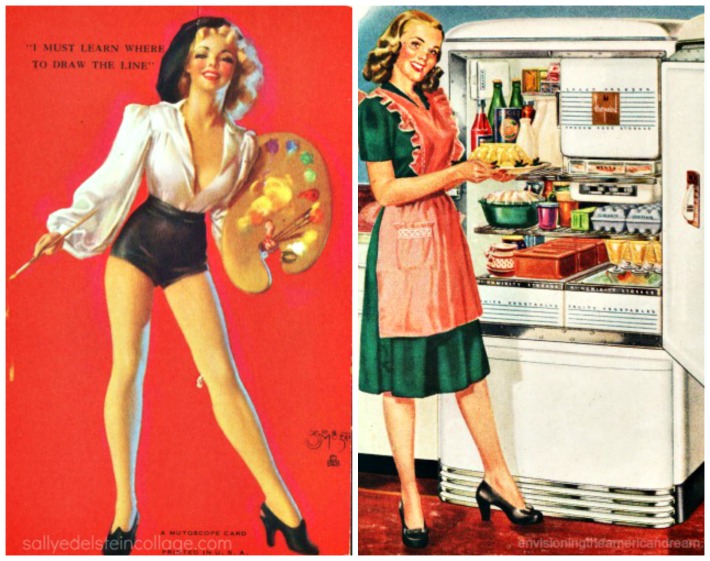
So there you have the art genius, trying to look at the world in order to determine its value – the artist, spiritualised with empathy and sense for connection and therefore trying to spiritualise the objects of art, trying to establish connection and communion in the world — with his vast intellect he sees abstractions and general modes of being in the individual and the idiosyncratic as well as he sees the individualities and idiosyncracies which evade the abstractions. He sees occasional gestures and movements full of grace, in a specific way a person laughs for instance, which give him awareness of the presumably graceful nature of the world and of people — a giant, a cosmic spectacle before his eyes, in his mind ———– which unfortunately effectively gets contrasted via a more sober look on the world: In which most people, effectively, are not specifically intelligent nor equipped with pleasant personalities. Their epistemology is simple and they can´t think, which is why offering genuine innovative philosophy and art is about the same as trying to offer a paper on advanced topology or differential geometry to people – it is equally incomprehensible to them although it is (apparently) written in the same language they use, not in the language of mathematics. Likewise, beauty is, indeed, recognisable for everyone, just most people don´t care a lot about it, let alone that they were able to understand beauty on a more abstract level and intellectualise it in order to solidify their understanding and enliven it (with those intelligent enough to intellectualise stuff often not being receptive to beauty or genuine creativity in turn), same goes for originality. Despite people are quite self-centered they usually don´t even know how to dress themselves properly. Look at how people are running through the city or sitting in restaurants and obviously take a look at nothing – whereas my own sight usually roams and roves and tries to look at my surroundings their glimpses don´t! They are, to a considerable degree, not interested in the world they inhabitate, let alone in that which is beautiful, intelligent, vibrant, etc. but in stuff and people in which they can mirror themselves, which is why slightly above average people often are so popular (since average people can project themselves into them) whilst it is often a hindrance to success being very much above average. People like to complain a lot and they´re negativistic, they demand that „more intelligence“ should happen or „true art“ should happen, but when it does happen they regularly don´t pay attention. When they see that intelligence comes around the corner but does not confirm their pre-existing world views, they may hate it. The problem of intelligent artists is that they want to make people more intelligent, but, in the first place, they make them look stupid as they confront people with something they cannot properly understand; and people don´t like that. That is when their „sapiosexuality“ usually ends. Paradoxically, the great genius who establishes the most potent worldview by thinking outside all contemporarian boxes is what is least desired or acknowledged. There may be nothing (of substance) the world is less interested in, and less friendly to, than a truly original thinker as long as he isn´t recognised and verified by the machine. (Meditate about that.) So much for the polemic.

Houellebecq says, while the artist tries to make the world an object of art, the world actually does not at all qualify as an object of art: the world is bluntly rational, without any magic and without particular interest. With that being one of Michel´s usual pessimisms it can actually be, occasionally, quite a nuisance, when the artist and the genius tries to get his firm and powerful, secure grasp on the world and what he grasps into is a kind of foam of stunted or irrelevant understandings, a kind of Emmentaler cheese with a lot of holes and air between the solid structure. This kind of foam is, actually, the world. To many artists it therefore becomes apparent that we are living in a kind of ghost world and then they write sad novels. I find this exaggerated. Foam can be quite beautiful, it changes or vanishes after a while, the foam of the world is stratified and consists of different, and distinguished elements. Art is about giving a lucid impression of the world. Great art is about seeing the universal in that which is transitory, and, therefore, bringing both to life in making it comprehensible for us. Art helps us in understanding a heterogenous and manifold world in which most things forever happen beyond our horizon, not only as it broadens our horizon but as it charges the world, and entitities within the world, with meaning. It illuminates the world as it illustrates the situation of man. Even it is a sad or drab world presented, the intellect rejoices because it makes him see and understand how the pieces fit – „Was im Leben uns verdrießt, man im Bilde gern genießt“ says Goethe. Personal consolation or the possibility to make sense of one´s own situation may also be found in works of art. It gives dignity to the fallen (and may actually be the truest form to deal with horror). And indeed, a work of art may give identity to a people, if not a system of meaning. Identity is good, being equipped with a system of meaning is good, since it increases competence (and gives people a „voice“).
Heterogenousness, due to individuality, is a some kind of oppositional force against reconciliation, and the „new earth“, the „new people“ will be heterogenous all alike. The prospects of a „we all shall come together“, of a reconciled world, are dim since we aren´t all alike. If we were all alike, humanity would cease to exist (and intelligence would cease to be competent since there would be no individuals of above average intelligence to tell the collective what to do). (For instance in the „hellish“ virst volume of Dead Souls) Gogol shows how „individuality“ commonly simply is a nuisance, resulting from lack of heart, mind and soul (not from excess), a mode in which stupidity is displayed. Because of stupidity, reconcilement decreases to become an option. In another dimension, of course, individuality is that which is productively resistant against totalitarian visions of reconcilement, and strong individuality is necessary to evade the influence of other powerful artists. Finally, the extreme individualism of the genius provides the locus of truth since due to his extreme individualism the genius is able to discover authentic human values. The paradox, or the tragedy, is that the genius will forever be alone in his visions and profoundly isolated from society, even if he gets appreciated by society. Whitehead remarks the malady of this world is that average elements can easily be reconciled while the progressively individualistic elements cannot or may even be sorted out or destroyed in the process that makes reality, despite embodying a higher extend of truth. (I, however, advocate the notion that the more individualistic, the more „real“ elements operate at different and distinguished levels of reality and it is probably a good thing that interference between these levels is limited; it need not add up or may be well dangerous to both.) Deleuze says art is about trying to reconcile the „originals“ (genuinely original people) with society (Bartleby or the Formula).

Rancière meditates a good deal about how the specific qualities inherent in art and qualities that make the political may meet, although, with reference to Kant, he emphasises on the sensual and aesthetic qualities and is quite silent about the intellectual qualities of art. – I say maybe the most important quality of the artist is universal empathy. It is his way to relate to the world. Without that his experience of the world can´t be enlivened. Empathy is both an emotional and an intellectual quality and it is noted that exceptionally gifted persons display a high amount of empathy also in their intellectual undertakings (they become unusually immersed in them and de/transpersonalise, etc.). Likewise, art is primarily an expression of associative intelligence which does not primarily aim at exposing the logical structure but the multilayeredness and manifoldness of the world. Divergent thinking is more important than convergent thinking for the artist. As divergent thinking primarily aims at reflecting upon a concept the way of how it could be viewed upon differently, the artist naturally runs (to some degree) against the grain. His intelligence is subversive and his divergent thinking makes him comprehend (and master) chaos. His intelligence expresses itself in an experimental way and opens itself into an evolving future. Associative thinking gives a sense of universal „connectedness“ and a longing for cohesion. Because of that the artist has a strong sense for establishing (authentic) communion between people and between things (which may deem the rest of humanity whimsical or fantastical). While, with reference to Kant, the qualities of the aesthetic (beauty and the sublime) and the qualities of reason and of ethics are distinct, beauty gives us an idea of transcendent order and the sublime fills us with awe for a higher (ethical) instance (deus (absconditus)) to which we have to bow down. Beauty refers to constructiveness and love, the sublime to humility, self-reflection, etc. as a necessary ingredient of how to do things right. Art, therefore, is both contained in itself and self-transcendent. It is both concrete and universal. Art gives a sense for the ambiguity of things and (their embeddedness in) contexts. It opens a dialogue between the empirical and the transcendental. Because of that it is, somehow ironically, the artist, not the scientist, who sheds light on the „thing in itself“. In seeing the universal in the transitory, the multilayeredness and ambiguity of things and contexts, cosmos and chaos, the artist grasps a „meta-noumenal“ essence of a thing, which is „nothing less than the existential ontology of the object, another way of expressing its circumstantial semantic content, now and later on, a mind´s view of ,objective reality`“, as Angell de la Sierra of Omega Society wonderfully makes it explicit of what is apparent to the artistic gnostic in one or the other way and what the art gnostic expresses in one or the other terminology.
The world may be a terrible disappointment for the artist, and it will be so with growing, painful intensity for the omega artist. Yet of course art requires non-art. Beauty erects upon ugliness, the sublime upon our limitedness, the spheres upon suffering. The isolation of the true artist and thinker may be profound and eternal, but without individual elevatedness upon the collective no intelligence and no transformation and progress can ever be possible. Nietzsche, who embodied extreme intelligence and originality, with the consequence of being also the embodiment of an outcast, sadly philosophised that the world can only be justified as an aesthetic phenomenon. As an aesthetic phenomenon the world, however, necessarily must contain stuntedness; Whitehead somehow proposes that God´s will is not to make the world perfect in the ethical sense but aesthetically and therefore allows stuntedness and decay to enforce creativity and to bring in the new. Consider the world as an artwork by God. This is difficult for the human mind to grasp, but, as stated above, intertwined with that, art may offer consolation. Stuntedness may appear beautiful and fascinating. Since before the inner eye of the artist there is constantly something emerging, evolving, if not protuberating, there is no actual stuntedness. With respect to what is important for Deleuze, the artist´s gaze both sees the actual but also the virtual. The „new earth“, the „new people“ is, therein, a virtual quality. It is also, somehow, „out there“ in this world. For practical and metaphysical reasons we should embrace pluralism and the understanding that the world, when trying to grasp it in totality, becomes elusive, opening itself to an understanding that it consists of many worlds (as Markus Gabriel and New Realism annotate).

Deleuze says philosophy is not a power. „Religion, the state, capitalism, science, the law, public opinion and television are powers, but not philosophy.“ Same would apply for art. Since philosophy (art) is not a power it can also not enter into open battle with any power, rather it establishes a guerilla. It is true that the logics of art and of politics are distinguished. Science is the art of grasping the rational aspects of existence, whereas art is the science of investigating the irrational aspects of existence (i.e. the subjective embeddedness of man in nature). They´re different territories. Yet knowledge and understanding vice versa also allows the own and private territory to be understood and explored in greater depth. Who is more powerful is a question of perspective. Finally, it´s only the great works of art which last forver, as the artist may be oppressed, maybe destroyed by any power, but it is him who sees all the kingdoms rise and fall before his inner eye. The powers are transitory, art is the universal. In his downfall, the artist embarrasses and humiliates the powerful transitory victor – who is, then, the vanquisher? Deleuze/Guattari say a true work of art is erected and can stand for itself. Rancière reminds us of the blunt autonomy, the „unavailability“, the statutory character of the statue/artwork, as the autonomy of art and the virtual indifference the l´art pour l´art towards politics carries a moment of resistance, and finally concludes that art is resistant as it does not only enter a dialogue with the political and the transitory but also eternally refuses to do so. Art is its own affirmation, and an affirmation of life. It seeks the liberation of life. It is expression of a liberated, and higher consciousness. It may contain more of the world than the world itself does. And with that I ascend into the regions of the ice mountains and lose myself to never return. Hahahahaha!

Johann Georg Pinsel and Gilles Deleuze

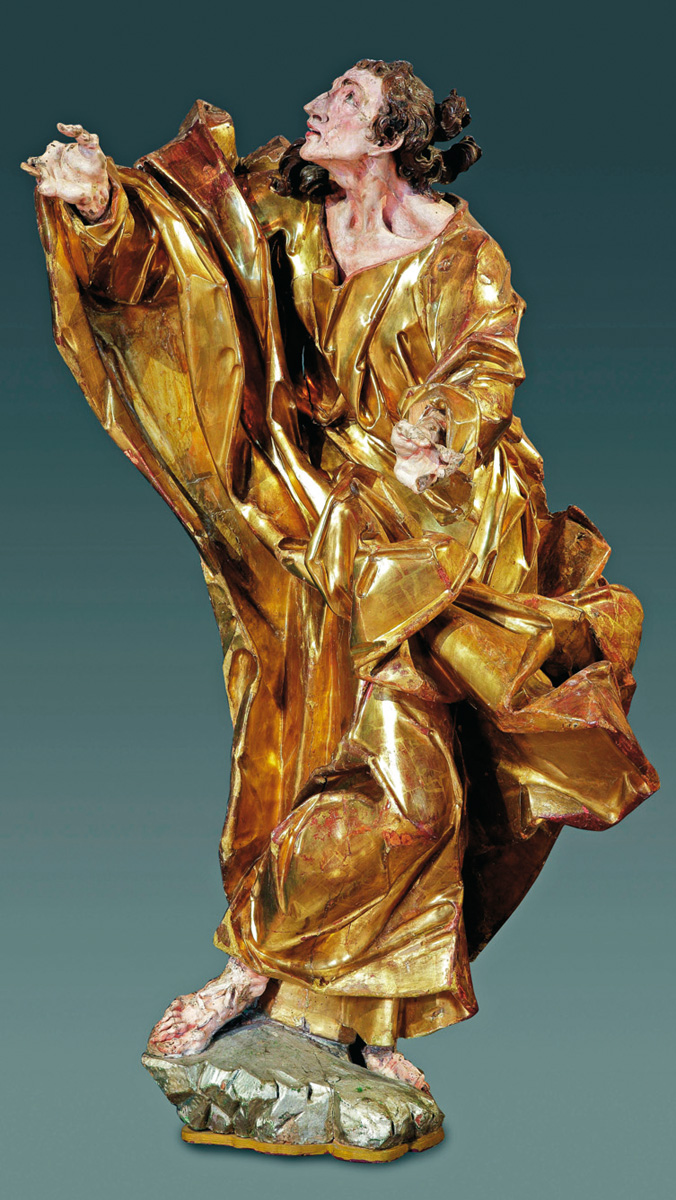
A chief characteristic of the sculptures of Baroque artist Johann Georg Pinsel are the exaggerated folds, which will remind the hipster intellectual of Gilles Deleuze´s book about Leibniz and the Baroque; indeed, one of the coolest parts of The Fold. Leibniz and the Baroque is when Deleuze uses his immersive, empathetic language to write about Baroque clothing and why the folds Baroque clothes crinkle are metaphysically connoted (in the opening of the final chapter, A New Harmony).

Deleuze´s main philosophical endeavour may be how to think the many facettes of the univocal one; put in other words he is the thinker of metaphysical confusion. Hence the dynamics between the virtual and the actual (as opposed to Platonism) and the notion of difference and non-identity at the core of every thing, respectively being itself as difference in itself and non-identical to itself, enabling productive dynamics of an open flux, which becomes tangible via the competent, productive agent (alongside Deleuze´s empiricism/Heideggerianism which assumes the subject and his modes of cognition and his modes of being affected as interrelated and elastic (and corruptible) to the dynamics of the outside world, respectively to the outside „forces“). Deleuze thinks that being is essentially composed of relations (i.e. network-like) and via his intellectually mobile concepts Deleuze „puts metaphysics in motion“. He makes us think being in itself is something that is colourful, catchy and cool.

The Fold is a concept Deleuze already used to greater extent in his preceding book about Foucault, refering to ——– but I seem to find out that, despite having planned to write this note since last week and having read and prepared myself a lot to do that, I am not particularly in the mood for doing so now – but I want it to go out now since this weekend the Pinsel exhibition at the Winterpalais, to which this note refers to and is dedicated to, is running out and I want to remind people of it and I want them to visit it. Apart from that I should write an article about Scelsi, Leifs and Ustvolskaya for the Versorgerin this weekend. Also this Pinsel-Deleuze note was considered to be followed by notes about Deleuze and Ranciere and Leibniz and Whitehead (which also annoys me a bit since my main objective is to write about artists now).

Deleuze is likeable because he is the quintessential thinker of the productive mind, unfolding and appealing to us via his erotic, ecstatically faltering language and he is a considerable metaphysicist since he also is aware that the universe is, to some not unsubstantial degree, quite full of shit and of not happy, flamboyant productiveness; that, qua difference and repetition, being is inherently unstable and nothing that actually or necessarily comforts, protects and conceals; that like enlightenment, catastrophe may be the actualisation of the virtual (despite not putting a lot of emphasis on it due to his sovereign, optimistic personality). I made the plan to go through the entire Deleuze again and to write about Deleuze and metaphysics, as I plan to do it with the entire Nietzsche and some other stuff somewhere rather sooner than later, in a general Heideggerian attempt to establish Lichtung. I don´t know whether I will have any message for humanity to deliver or something commonly labelled as wisdom. Rimbaud says, his wisdom is despised like they despise chaos. Maybe one day this century will be called Yorickesque.

Johann Georg Pinsel and Franz Anton Maulbertsch

Dedicated to my friend and illustrator Raja Schwahn-Reichmann, who provided worthwhile insights 

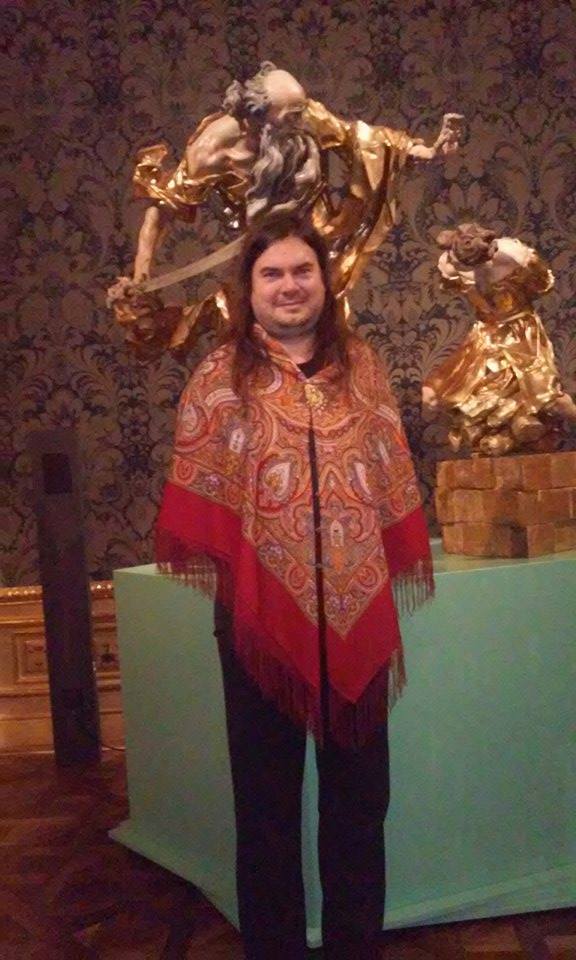
At the Winterpalais of the Belvedere there currently is an exhibition revolving around Baroque sculptor Johann Georg Pinsel. Whilst his biography largely remains obscure – he likely was of German or Bohemian descent, he worked in Red Ruthenia/Lvov which had a vivid cultural life and art scene at that time, and he died 1761 or 1762 presumably at the age of around 40 – and many of his works were destroyed during the anticlerical Soviet era, the radiation of his genius will remain alive and well. Genius is transgressive, explosive, protuberant, aiming at the transformation of forms, alongside invisible dimensional axes, to reveal inner truth. Whilst in perfect stasis and undifferentiated in the spheres he inhabitates his apparition seems flamboyant and extravagant in the man´s world. And so Pinsel´s sculptures carry a (usually paradoxical) expressiveness concerning pantomime and, moreover, dress, with their dresses flushing, folding and unfolding into the infinite, hyper-protuberating, highly exaggerated. One of the most striking impressions/revelations you get from the exhibition is Abraham´s oceanic beard. Needless to say, in the richness of Pinsel´s vision, artistic integrity and artistic force there is the anticipation of expressionism and even abstraction (notably when he depicts folds in dress as geometric shapes with a little unevenness carved in). Metaphysical convulsions. Ringing from the heavens.

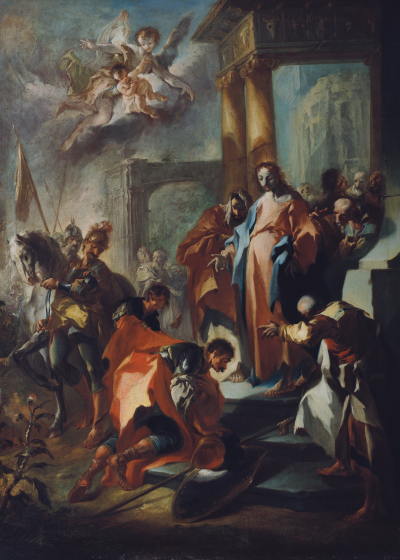
In the exhibition there are also some paintings by Franz Anton Maulbertsch (1724-1796). Fuseli hailed Maulbertsch as a „fiery genius“, but critisised lack of historical sense and execution. Such a reflection may come from the perspective of Classicism, Maulbertsch however was the final climax of Baroque painting and therefore, somehow, consequently, a loner who could not be style-forming in a direct way (but he has been so in an indirect way, Kokoschka relied on him). Technically and artistically his work revolves around the question and the interplay of colour, light, darkness and the shadowy realms. You have a lot of phantasy in his paintings and semi-paradoxical juxtaposition: Maulbertsch was able to see the phantastic in the natural and vice versa, ahhh, the versatile intellect and sensuality <3 Metaphysically, you seem to have captured the depth of reality (and religious higher reality) via pronounced contour and colour in the foreground and suggested dissolution linked to the background. Maulbertsch´s signature was a thistle – a plant that is thorny and a misfit, but lasting and undestroyable.

Though Maulbertsch was, in general, respected and acclaimed during his lifetime he was denied becoming a professor at the academy. Reasoning was that his transgressive, rule-breaking genius would do more harm than good to the students, and that is likely correct. Geniuses usually are fascinating and enriching, but not actually good teachers. How should they be good teachers when students are interested in answers to questions, but the genius is interested in questioning the answers once he provided them, therefore seemingly permanently collapsing over himself, in stasis? How should tradable forms or textbooks materialise, based on stability and rationality, when the genius lives in a state of meta-stability and is meta-rational? The genius will usually seek a kind of socratic dialogue and will, due to lack of congeniality, solipse into a difficult to decypher socratic monologue. Communication is impaired. This is often difficult to bear for the genius, and for others.

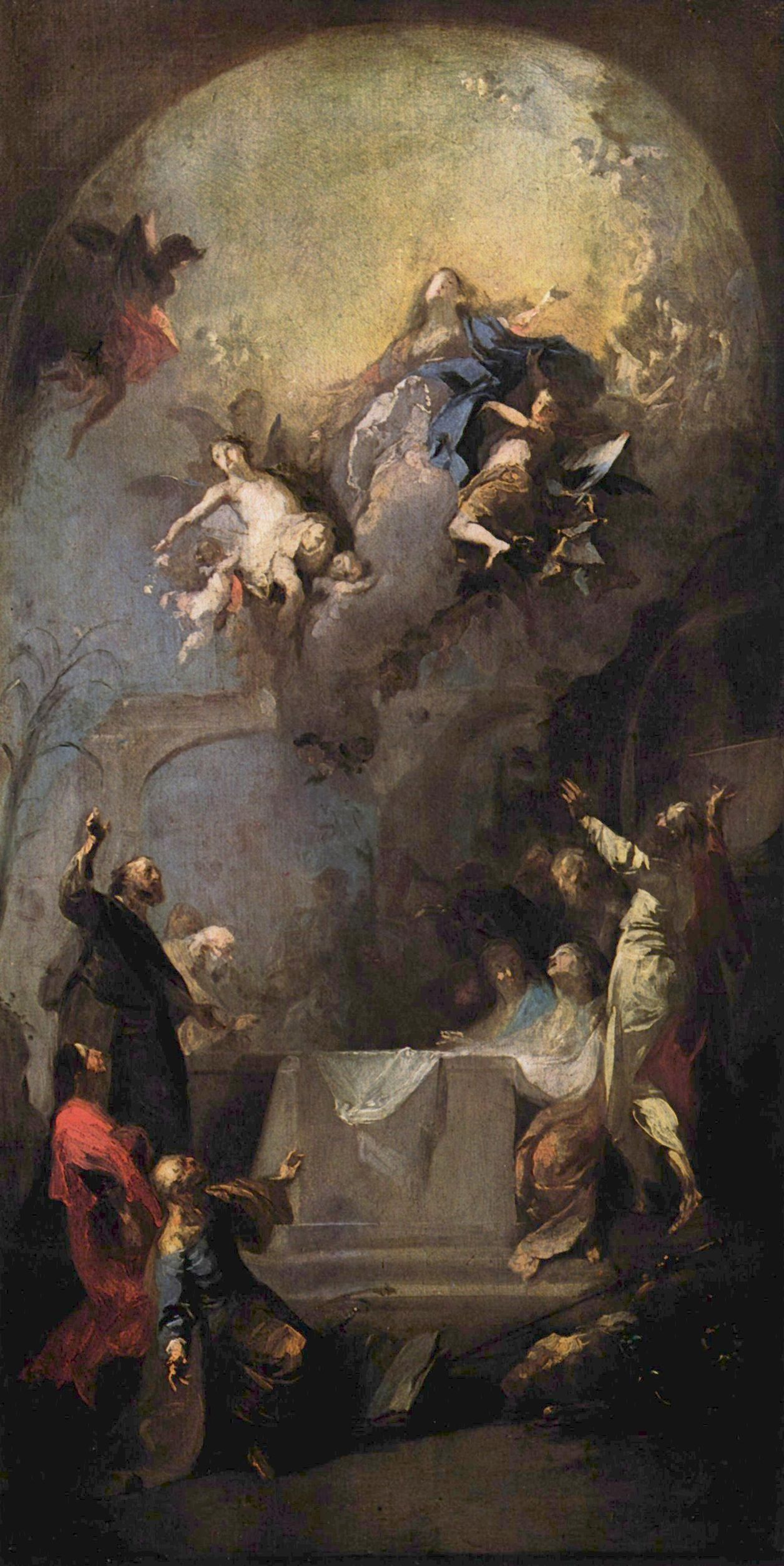
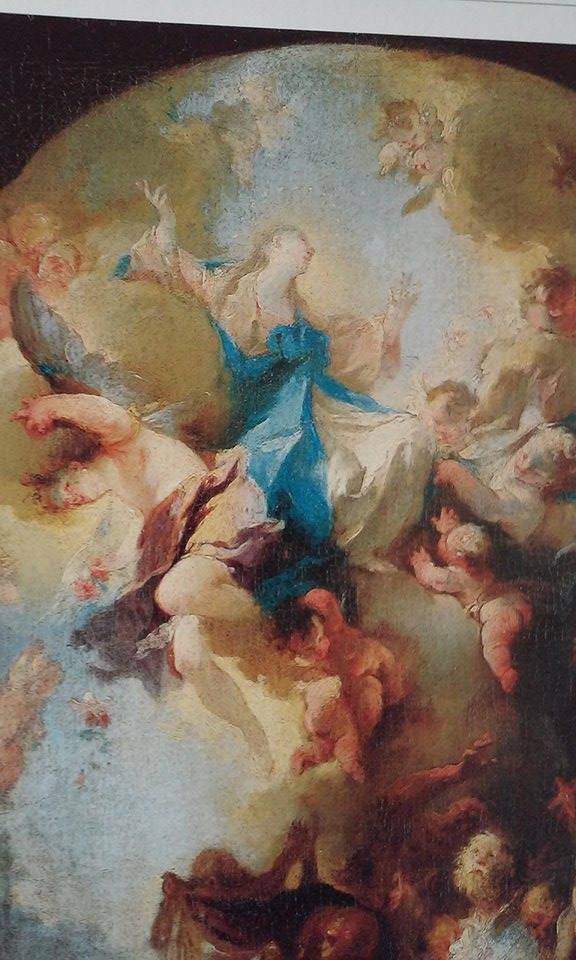
I don´t want to sweep it under the table that Maulbertsch´s paintings did not immediately strike me that much at first glance at the exhibition, also since I was more focused on Pinsel. I had never heard of Maulbertsch before and I found his paintings, though idiosyncratic, a bit irritating. Though that´s what they actually are and I did not have a lot of knowledge about Baroque painting before it tought me a lesson in humility I shall never forget. I did not recognise a fellow genius on the spot and his magic had to be explained to me! (However I bought a book about him and borrowed a big, comphrehensive, a sort of ultimate book about him at the library afterwards.) Remember that Otto Weininger, who probably was the greatest genius of all time and had the most penetrating (though occasionally misguided) intellect and intellectual empathy of all said, that the philospher needs to refrain to think that the symbols of the artist may easily to be deciphered. In trying to do so, the philosopher needs to be careful and prudent. I also don´t want to sweep it under the table that Maulbertsch remains a bit of a mystery to me, genius means objective subjectivity, in the case of Maulbertsch the subjective element seems to dominate excessively above the objective element (but that´s what easily may be the fate of the late comer in an era). Despite that it may be that I will happen to take a look and study the paintings of Maulbertsch more often than those of, for instance, Titian. I also find Maulbertsch´s depictions of Mary´s ascension to heaven cooler than that of Titian, and his Mary more gracious and lovely (unfortunately I could not find a lot of them on the internet).
UPDATE 03012017: I made some pics of Maulbertsch letting Mary ascend to Heaven out of a book, Hallelujah.


Is that Biedermeier? at the Belvedere Palace, Vienna

(Dedicated to my friend and illustrator Raja Schwahn-Reichmann, who provided useful insights)

One of the most intriguing, phenomenal eras in human history, where the beasts were unleashed, was the Biedermeier era.

Historically, the Biedermeier epoch refers to the era in Central Europe between the end of the Napoleonic Wars and the European revolutions in 1848. Repression by the authority, embodied in the Austrian chancellor Metternich, was a chief characteristic, as well as tiredness from revolutionary upheavals in a period of increasing peace and prosperity, at least for the bourgeoisie. Biedermeier refers to an introversion into the private realm and trying to find prosperity, security and happiness in the private domain and due to simple virtues.

This translated into modes of human expression, and apart from the historical, political and sociological reference Biedermeier denotes artistic styles, although its historical demarcation is less clear. The heyday of Biedermeier art was the period between 1830 and 1860. At the moment we have an exhibition titled „Is that Biedermeier? Amerling, Waldmüller, And More“ at the Belvedere Palace in Vienna (from 21 October 2016 – 12 February 2017), indicating that, to a considerable degree, at the substance of that commonly insulted, derided period there is great, unexpected magic and glory.

In general, what distinguishes Biedermeier from Classicism is its focus of attention on (romanticised) everyday scenes and people. Accuracy of painting was prevalent, it was a field of experimentation of realism, painting in the natural light, the anchoring of natural man, and his virtues, in nature and natural surroundings. Ideally, you have a love for things, for natural things, for small and humble things and a respect for an eternal metaphysical order of the world, a synthesis of content and idea, i.e. not a trivial naturalism but a metaphysical, sensually as well as intellectually tangible naturalism (expressed, for instance, by Adalbert Stifter). Whilst it is true that there are aspects about the period that are clearly annoying – as can be found for any period – the specific shedding of light on those aspects about existence are soothing, beneficial and therapeutic, and they should not be forgotten, they should be integrated in hearts and minds.

As you enter the exhibition you are likely to get spellbound, for instance, by Friedrich von Amerling´s gracious Lute Player (1838). Amerling was a master of portrait, in bringing to life the charme and the beauty of humans. In contrast to Ferdinand Georg Waldmüller, the other most prevalent painter of that period in the Hapsburg monarchy, who was more interested in capturing humans in a specific characteristic moment, Amerling´s primary endeavour was to display the entire charme of the individual or of physiognomy, with his portraits finally being the sum of his studies and his creative empathy for his models. Striking in his portrait of the lute playing girl are the colours and the display of the reflection of light (and while it is true that Amerling´s lute player is less idiosyncratic than Vermeer´s lute or guitar players her beauty is more balanced). Amerling´s Girl with Doves (1840) is equally gracious as the girl seems to be immersed in her own positive vibes, translating in universal empathy for the living creature.

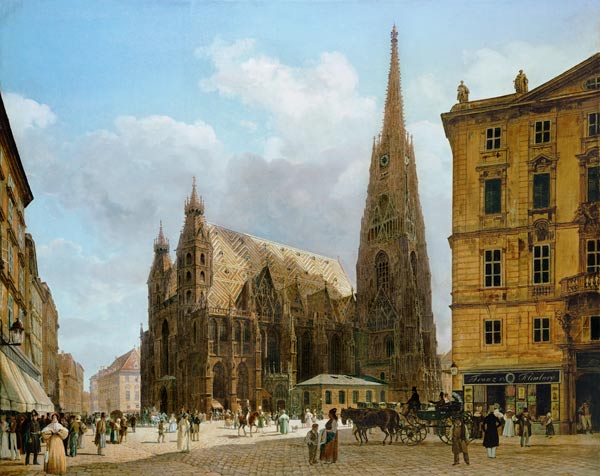
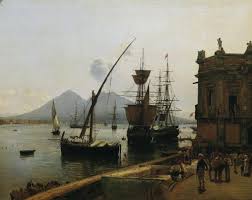
Get intrigued and into the undertow when investigating Rudolf von Alt´s portrait of Saint Stephen´s Cathedral (1832) due to its luminosity and the extreme finesse concerning detail so that you get eager to look at it through a magnifying glass; or of the extreme plasticity of the scene in the Harbour of Naples with Mount Vesuvius (1836) (especially the water and the white tail on the left), reminding us of (the luminosity) of materiality of the world itself (and, if you are lucky, of the secret, the silent magic of materiality).

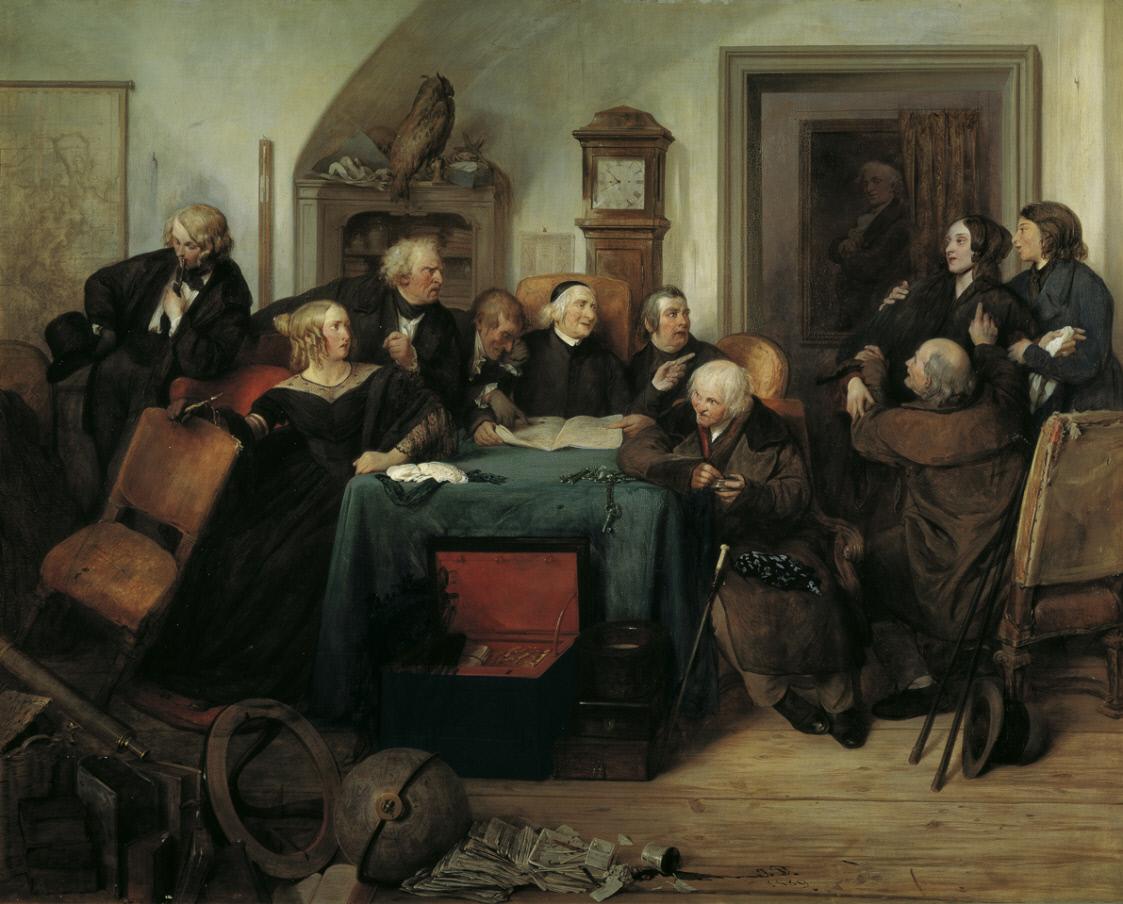
In Josef Danhauser´s Opening of the Will (1839) there is a splendidly indignant legacy hunting widow (as well as, presumably, her no less innerly deleted lover who sees his hopes dashed behind her), the most beautiful teenage boy accompanying the lucky, innocent heir under the auspices of the deceased devisor (obviously an otherworldy, good-natured scientist or man devoted to a greater cause) – and look, as a signature of mastery and of a receptive mind, how the light is reflected at the floor clock (and also at the keys on the table)!

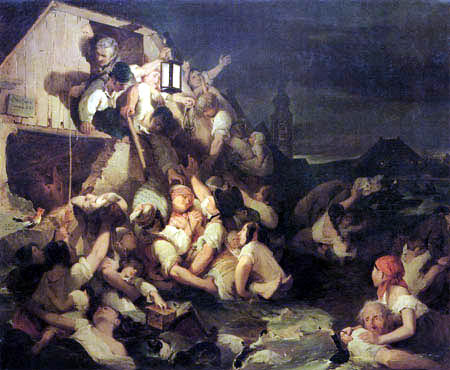
Empathy provoking, like many of Peter Fendi´s paintings, is his Scene from the Deluge of 1830 (1830), which refers to a dramatic flooting which took place in February 1830 in Vienna. In his dramatic scenery there are people trying to help others or to help themselves, crying for help, or drowning. The young woman with the red headscarf at the right, the drowned maid at the left, behind her another young woman trying to save a child, among other figures, make the abstract horror tangible. The whole scenery is an illuminated triangle (by the lantern), in the background you can (barely) see the Church of St. Leopold, in the interior of the house which is cracked open at the left you can see (when looking especially close) an icon with the eternal light as a, somehow, enigmatic comment.

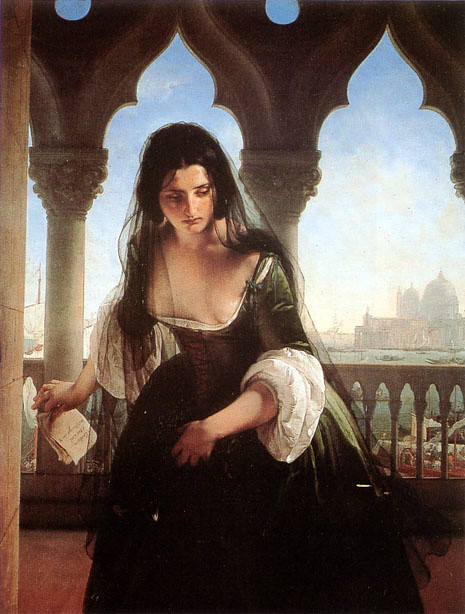
Personal drama you have in Francesco Hayez´ Secret Accusation (1847): via the barely controlled inner turmoil you have a strong narrative element, a face that indicates a thousand words, you have colour, a clever handling of light and, via the slightly protuberant breasts, eroticism and a prophecy of eruption in general.

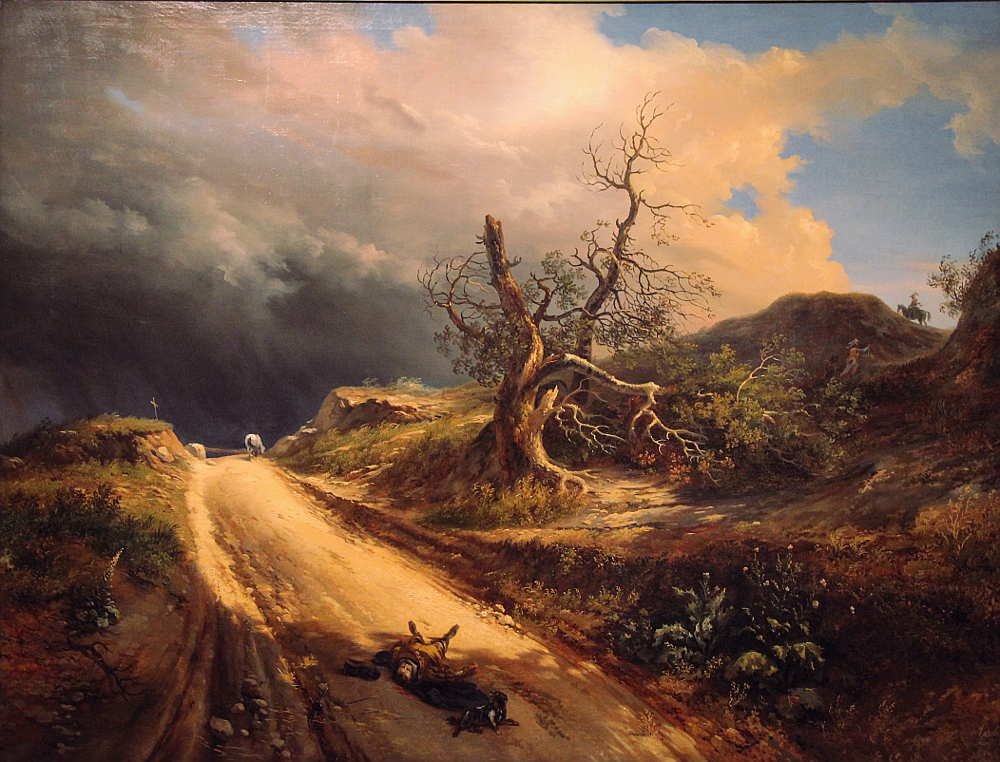
In Massimo d`Azeglio´s Vendetta (1835) you have an interplay of drama, vividness, wildness, temper, romanticism, morbidity and, seemingly, a final resolution into cosmic indifference concerning the entire scene and the nature it is set into.

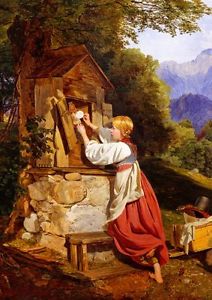
Piety, relating to an intellectually and ethically superior instance, you have, of a collective of people embedded in nature, in Josef Höger´s Chapel in the Forest (1835), and of the devoted individual of Waldmüller´s Girl decorating the Mother of God with a Rose (1836).

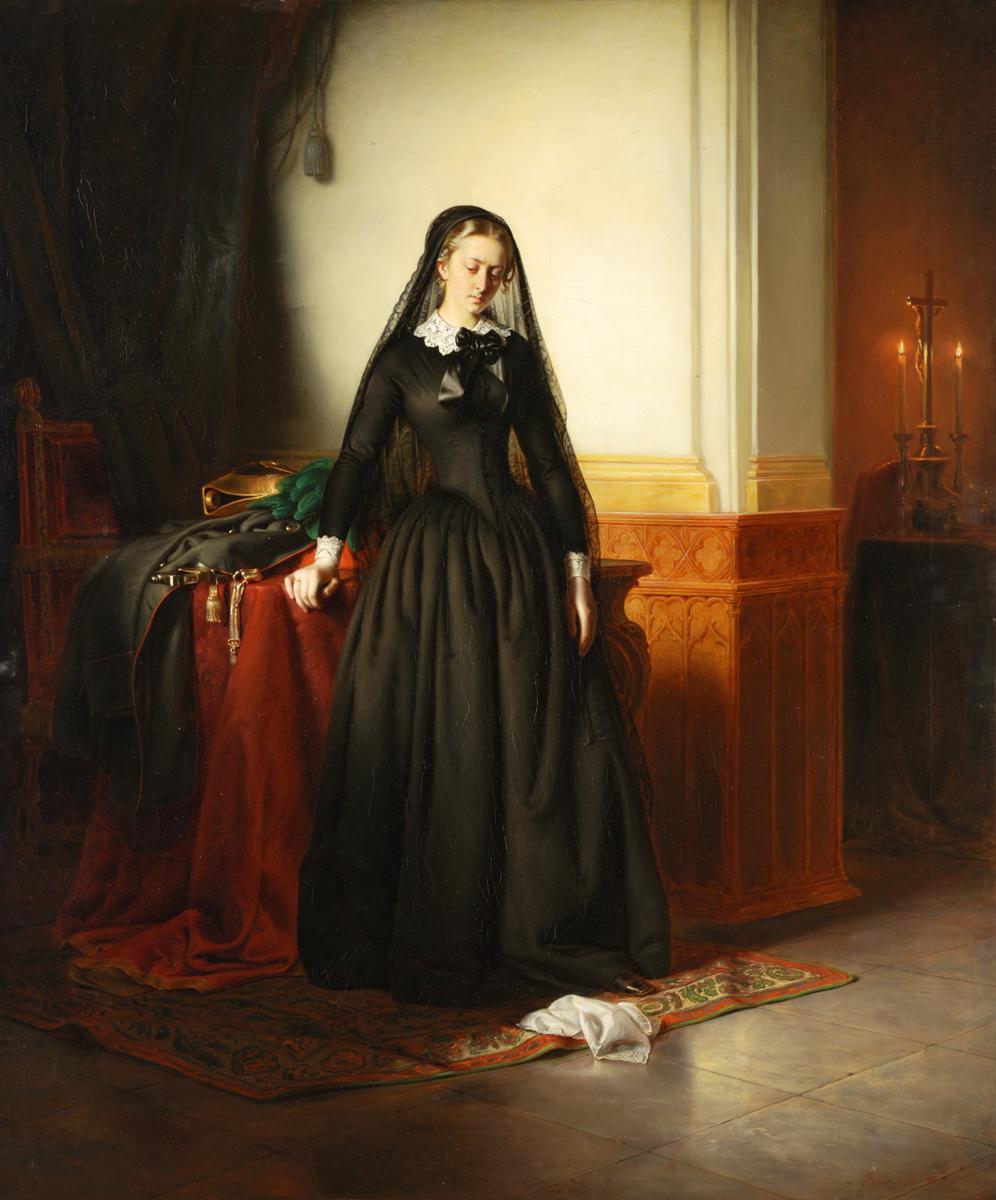
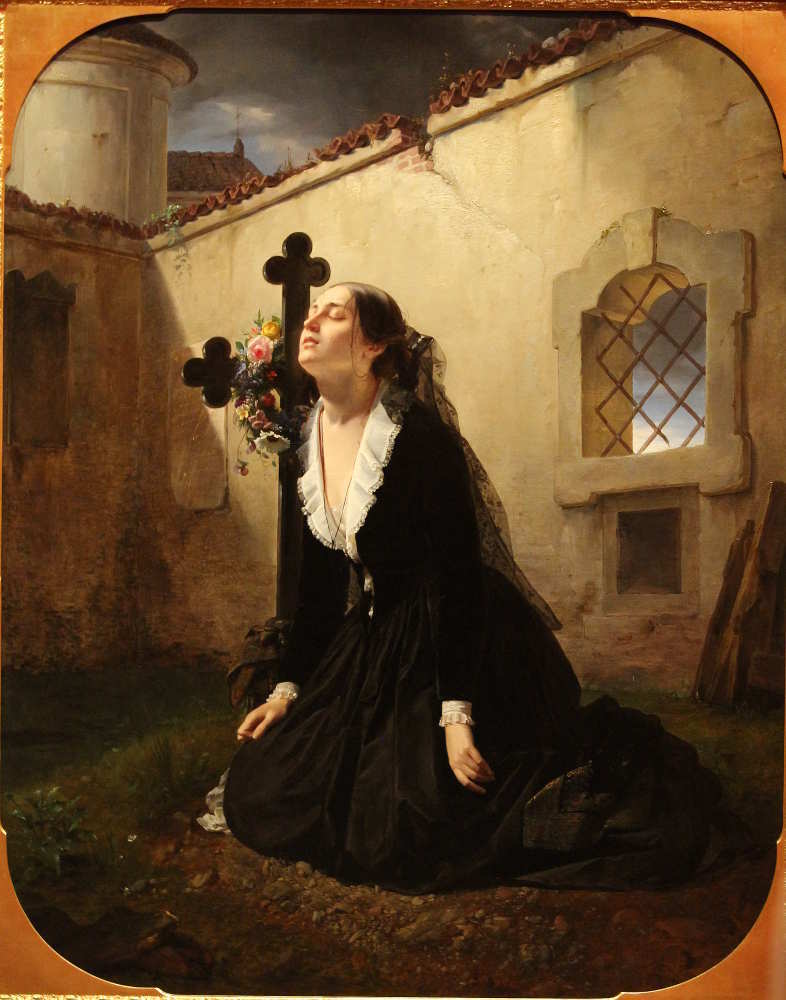
The resignated (or resentful) mournfulness of Joszef Borsos´ Widow (1853), and the painting in itself, is somehow enigmatic and intransparent, open to interpretation, respectively, since all the interpretations remain open, creates an atmosphere of thoughfulness; in contrast to Giuseppe Molteni´s young woman viscerally Deeply Saddened about the Loss of the Beloved (1850); touching and thoughtful are both paintings, with Moltani primarily touching the empathy of the heart and Borsos primarily touching the empathy of the mind; in Molteni´s you have a striking luminosity of the black dress which you will remember forever (and which would have provoked the recognition, perhaps the envy of Ad Reinhardt).

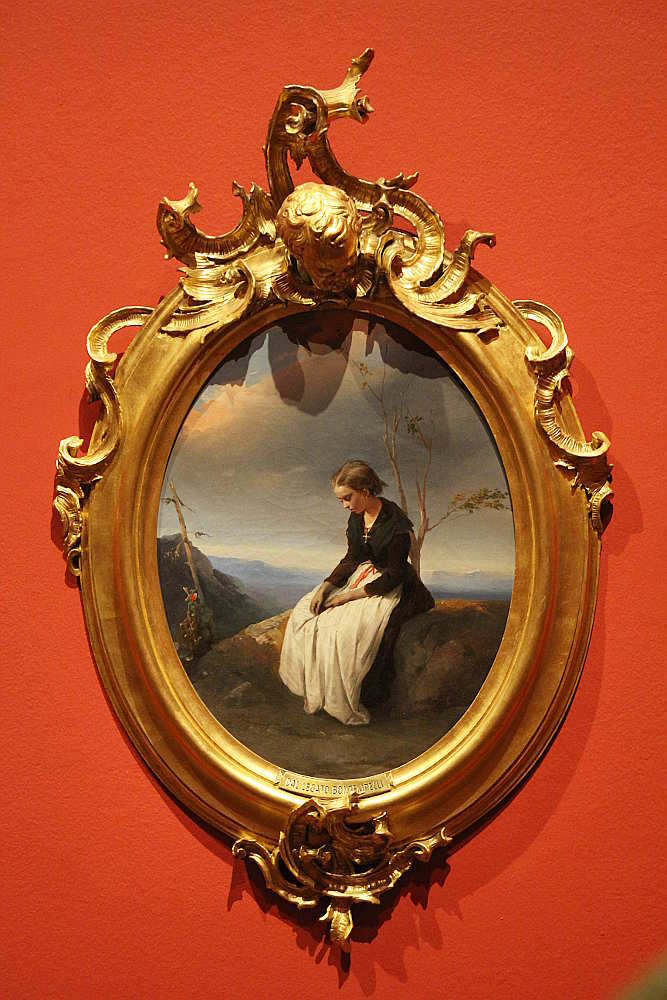
Domenico Induno´s Melancholia (1849) shows a careworn, crestfallen girl with rumpled hair (which was maybe cut off violently), you sense that her depression and inactivity, her being made mute by external circumstances is an active, multifaceted inner process with resentment and anger becoming prevalent, although the unusual oval form of the painting indicates a condition encircled in itself and in its own hopelessness – it portrays not only a personal situation but also the mourning about a heteronomous, defeated Italia, respectively, maybe, the insulted Italia herself.

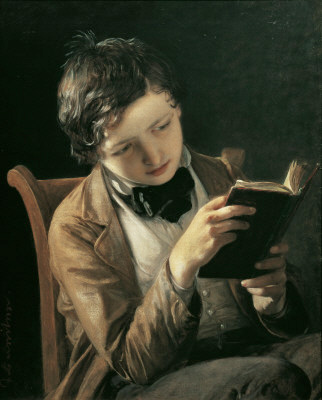
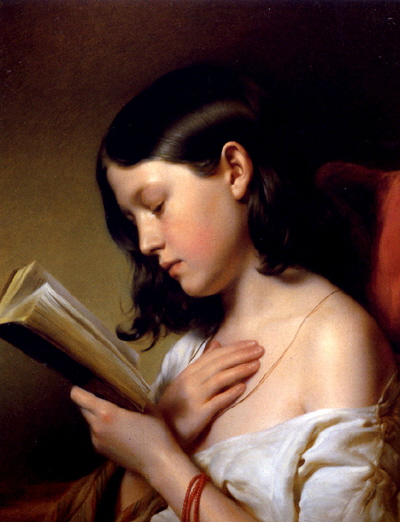
Franz Eybl´s Girl Reading (1850) is of above average but not of splendid beauty which makes her even more beautiful since due to this she becomes tangible, and look at the masterful reflection of light in her black hair, the a bit unreal and eccentric but underlining portrayal of the book pages (i.e. a girl holding a book in a specifically lucky moment), the dress falling from her shoulder provoking an interplay of the nuances between the aesthetic, the sensual and the erotic. Delicious is how her hand is reflected in the leather binding of the book and, in general, the soft contours due to use of a contuser. Johann Baptist Reiter´s Boy Reading (1860), beautiful as he is, magnificent the reflection of light, he both seems to be dazzled by the enlightening content as well as somehow autonomous in relation to it, he gets impressions and maybe he accumulates and forms thoughts in his mind, maybe a young genius (not as somehow pious like Eybl´s girl, though there is also a somehow sovereign distance between the book and the girl).

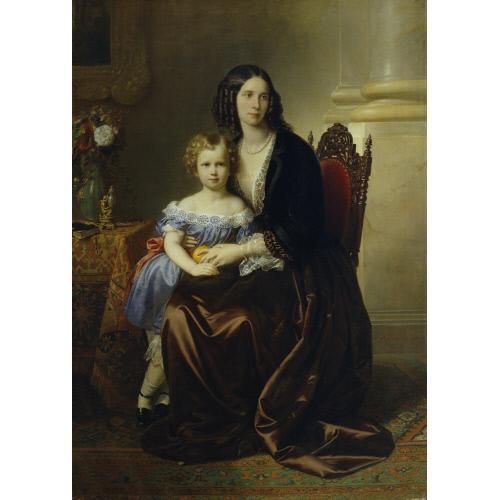
Leonie Gräfin Lanckoronska, as portayed with her son Karl  by Karl von Blaas (in 1852) has a somehow interesting, slightly marked and idiosyncratic face (where what is interesting is that it is slightly marked, a decent aberration from the norm, the markedness and idiosyncracy is suggested and does not come in vulgar opulence – which I find very good, since the small thing, not the vulgarly opulent one is the locus of truth and beauty, and where the universal whole becomes tangible (or so)).

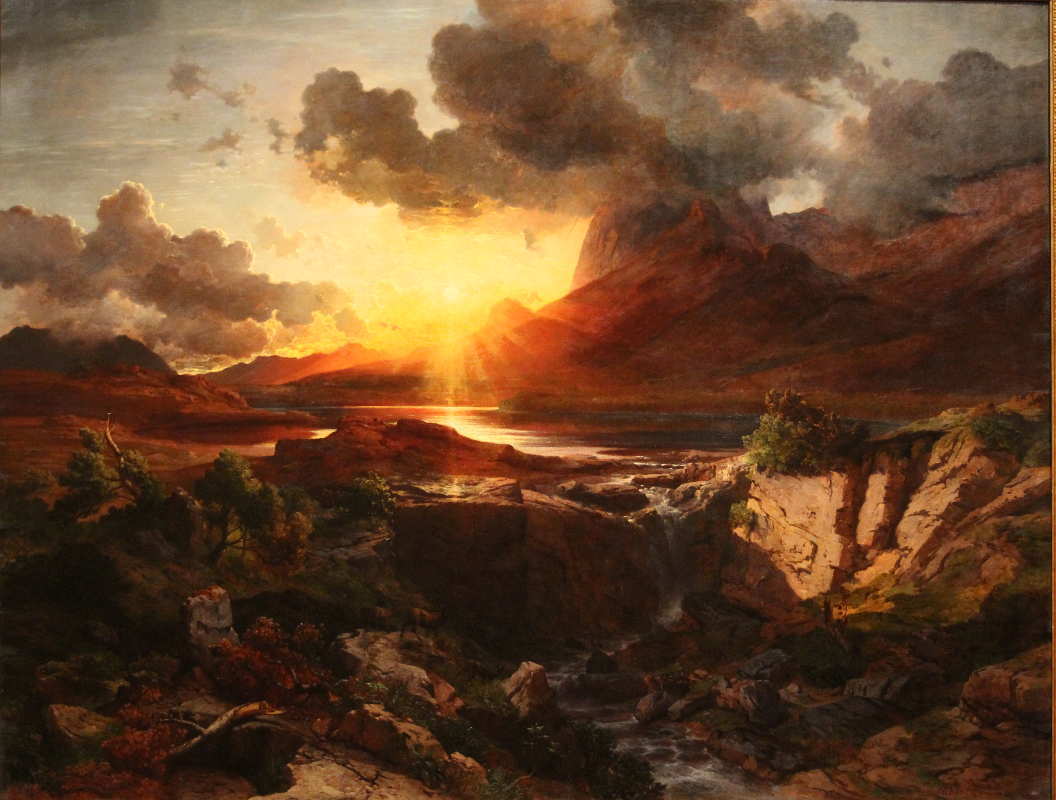
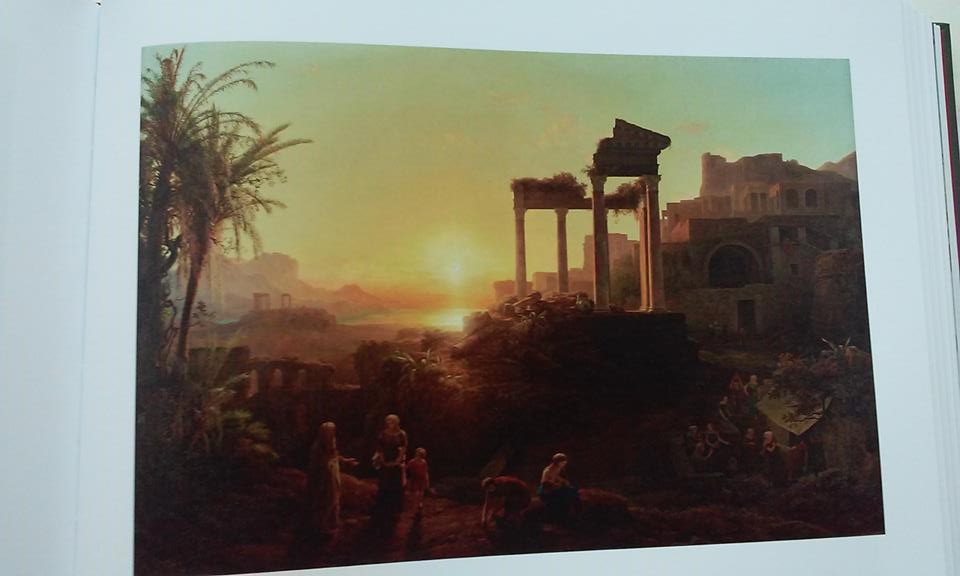
Karoly Markó´s Southern Landscape with Sunset (1847) and Albert Zimmermann´s Sunset at Hintersee in Berchtesgarden (1858) are ideal, transhistorical landscapes.

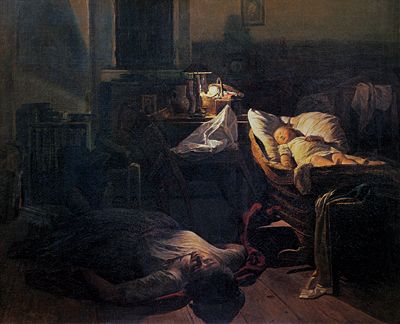
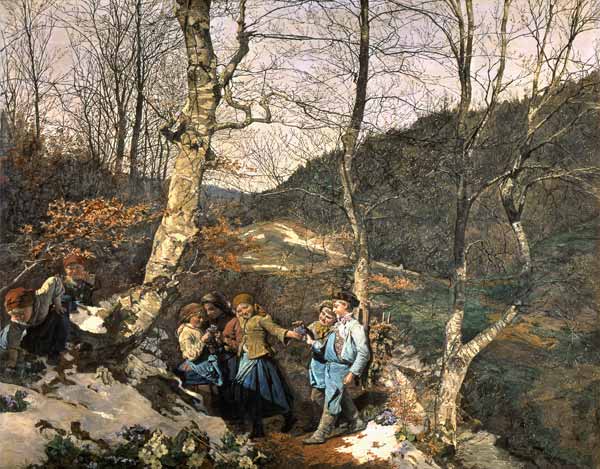
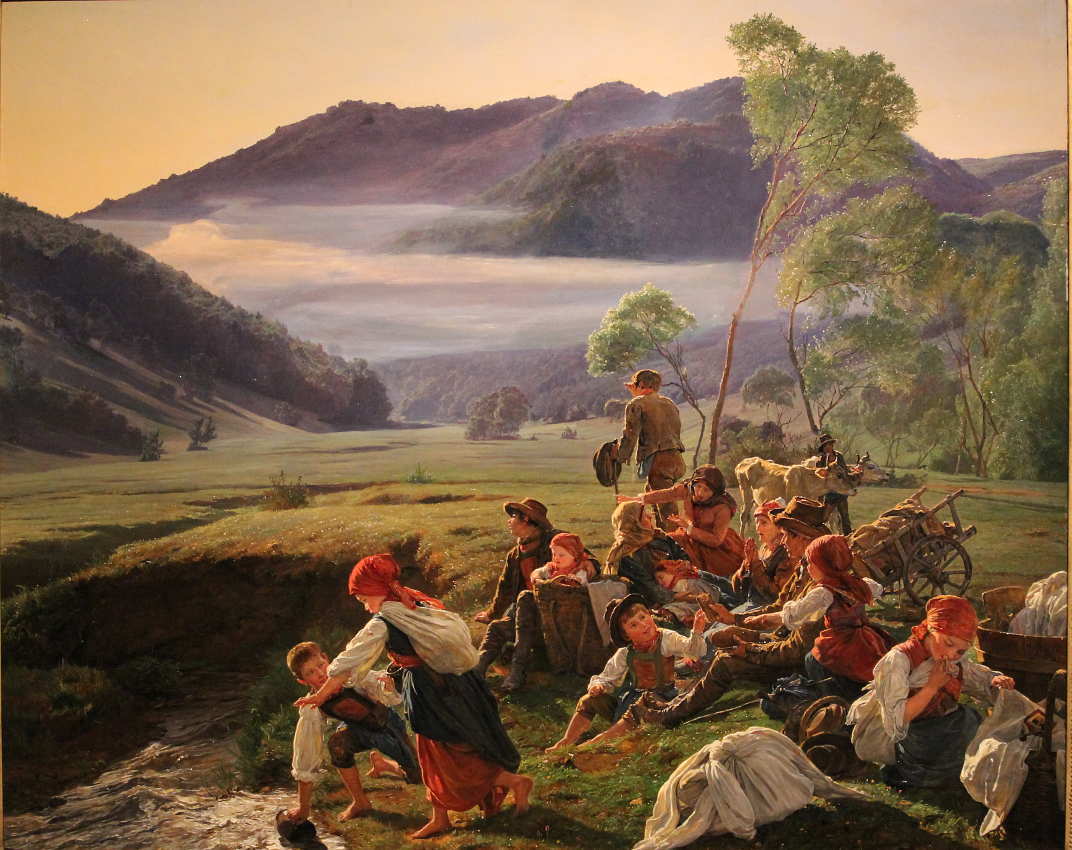
Finally, you proceed to Waldmüller´s charming scenes depicting people and children from the countryside, symbolising the natural and the innocent (and, of course, particularly provoking criticism about suggested lack of critical attitude; Waldmüller, however, did make social commentary as well, and with Exhausted Strengh (1854), portraying the situation of single mothers, it comes in in a striking, upsetting way). Waldmüller is depicting people in characteristic moments, his paintings are particularly dynamic. As probably the most eminent artist of his time in Vienna he was exploring new horizons in art, depicting people and scenery in natural light, which caused anger and irritation, respectively envy and hostility among the academics due to which he fell from grace later in life and was rediscovered only at the turn of the 20th century as the master painter of that period. The most breathtaking example of his mastery of his later period may be Country People Resting (1859) where every inch of the painting is perfect; and especially in the trees in Early Spring in the Vienna Woods (The Violet Pickers) (1861) you seem to have an anticipation of Klimt and Schiele.

Aaahhhh… how rührselig, how sentimental, all that! But that´s how, at least, I am, rührselig, and sentimental, and I like it that way. I think all problems in the world, about which people commonly like to mourn, without usually ever being interested or able to get a clear idea about their nature, and why they evolve, could be solved – or at least taken to another level of problem solving capability – within minutes with everyone being considerably more like that. If the question Is that Biedermeier? does not make you revolve a lot, you´re as good as dead. You may think you´re cooler than Biedermeier, but you are not.

Update about Jennifer/Ryonen

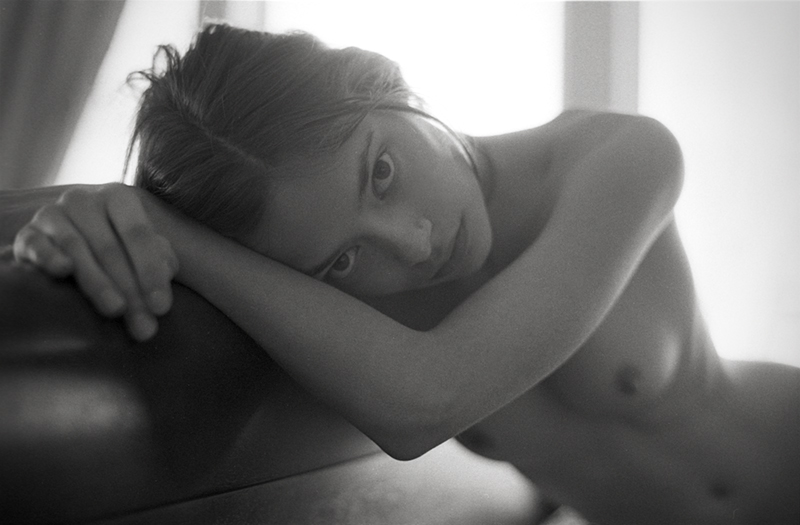
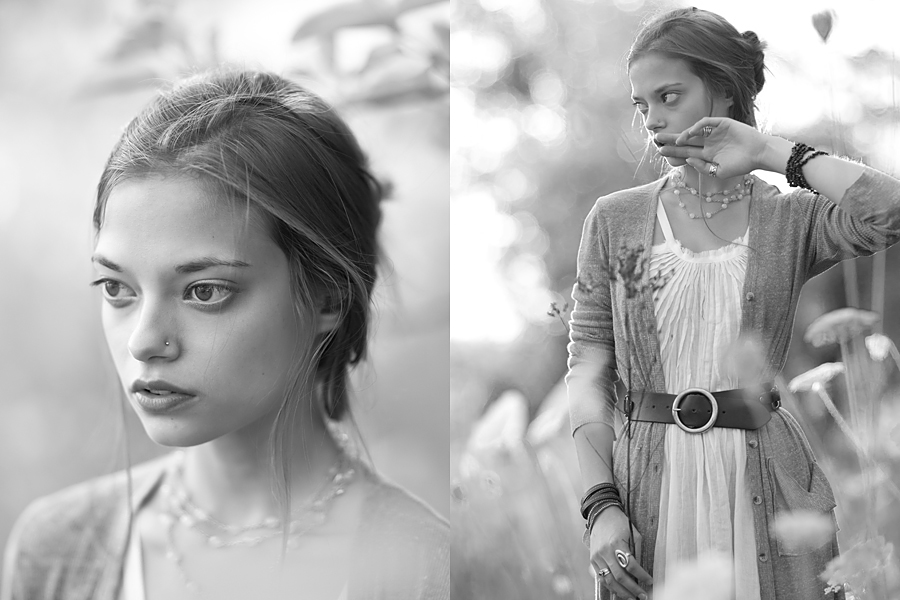
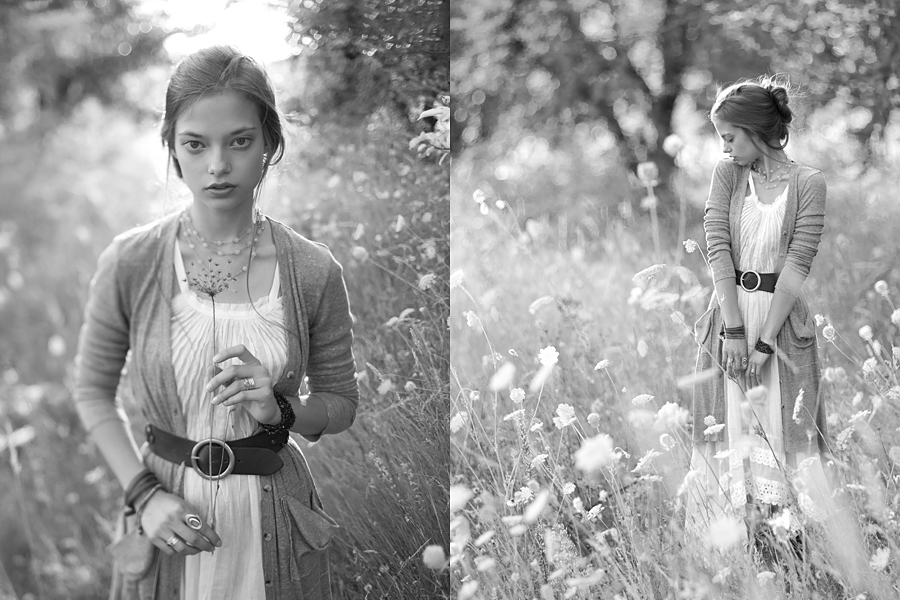
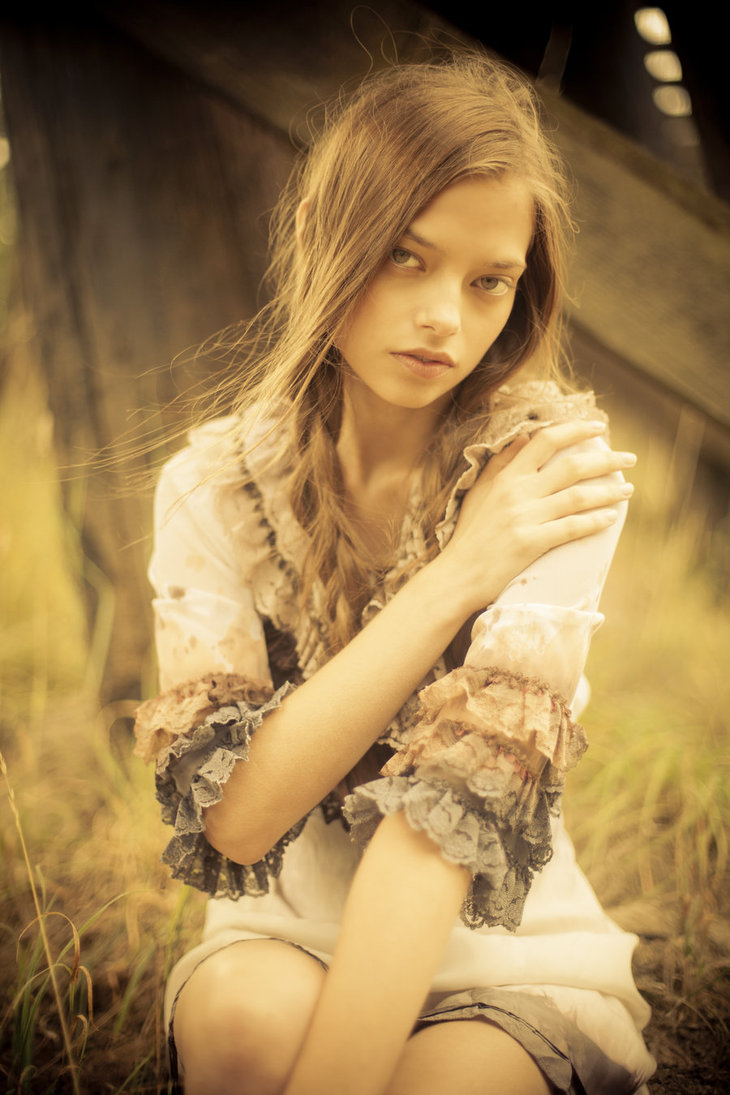
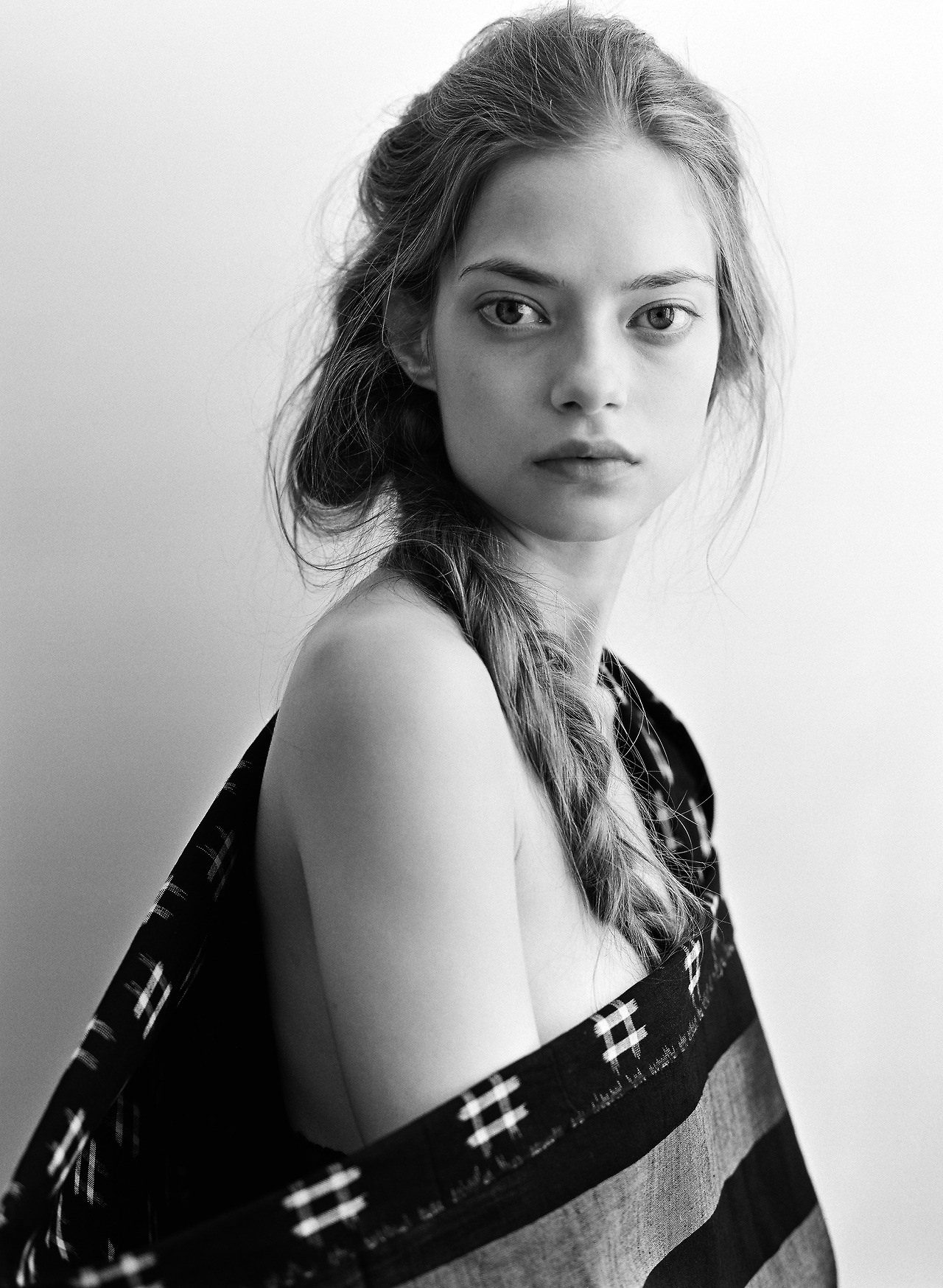
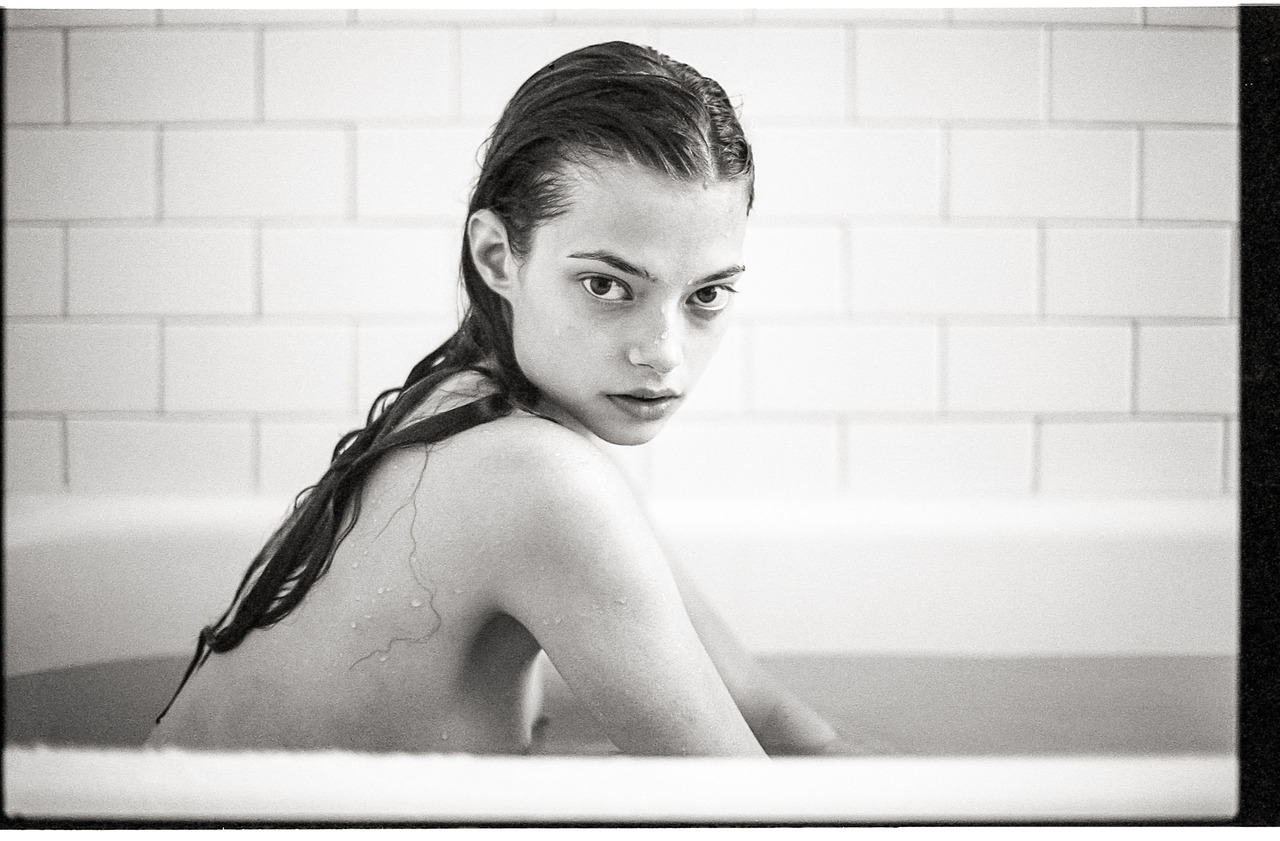
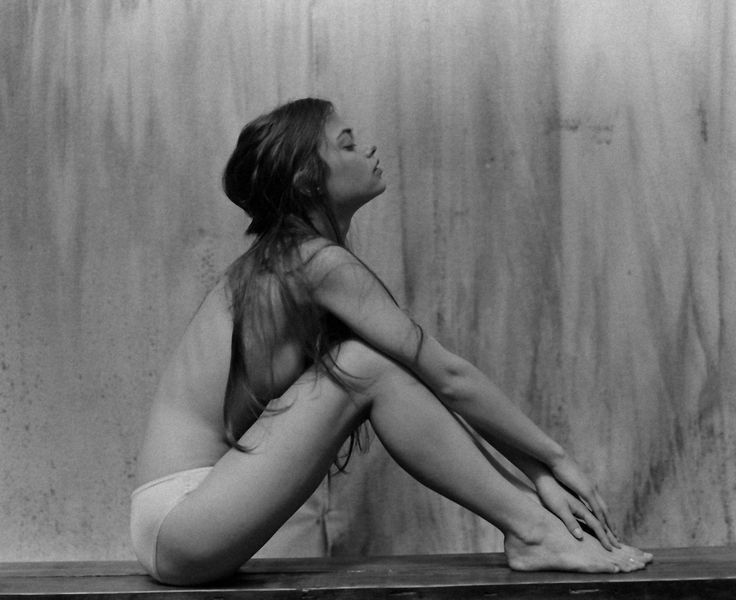
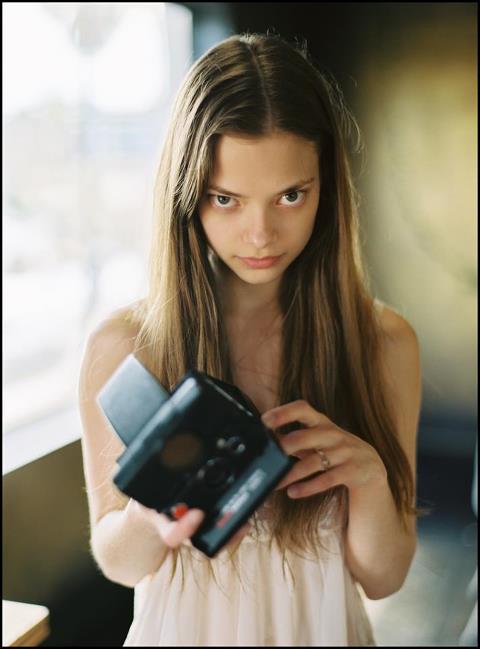
Relating to the post below, I want to state that I find idiosyncratic beauty the highest form of beauty. Kinda manufactured beauty of popular models does not particularly attract me, since it usually lacks individuality. Jennifer Sullins/Ryonen Cava I find one of the most interesting aesthetic phenomena on Earth. She embodies one of the highest idiosyncratic beauties. Her beauty comes in an unexpected way, I have not thought about her specific beauty before, it did not approach me in my mind. What can you ever desire more?

Jennifer Sullins | Anthony Maule | CR Fashion Book #1, F/W 2012/2013 | ‘The White Mughal’

www.reneeruin.com: Who’s that Girl? – Ryonen

“CARMEN” comic Ryonen (Jennifer Sullins) on Behance

Alice Séthe

Den stärksten Eindruck in der Pointillismusausstellung hat auf mich van Ryesselberghes “Porträt der Alice Séthe” gemacht.

Vielleicht schau ich extra deswegen noch ein zweites Mal da hin. Andererseits sehe ich eh dauernd was von enormer ästhetischer Strahlkraft und Perfektion, die Welt ist diesbezüglich ja auch reichhaltig; warum an meinen Mitmenschen, inklusive der Kulturbeflissenen, das alles einfach immer nur so vorbeizieht, weiß ich auch nicht; ist mir aber auch wurscht, was die machen.

(Die Person mit der interessanten Physiognomie ist Jennifer Sullins/Ryonen Cava)